
 English
 Italiano

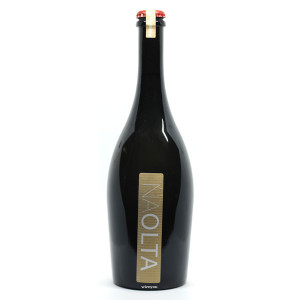
Naolta is a sparkling wine obtained with the technique of fermentation in the bottle using white grapes. It has a pale straw yellow color with a fine and persistent foam. The nose is fragrant and floral and fruity aromas can be recognized, with hints of pear, apple and almond combined with the characteristic notes of yeast and delicate nuances of "bread crust". The sip is striking for its extraordinary drinkability, it is very fresh, light, with excellent minerality and flavor.
.Grapes: White grapes.
Alcohol content: 10%.
Aging: Refermentation in the bottle.
Contains sulfites

The Vin de France "D Bulles" is an ancestral method obtained from a meticulous assembly of Mauzac rose and Ondenc, two natives of personality and singular expressive vocation. Second fermentation in the bottle. Dégorgement. The nose is fresh and fragrant of fresh apple, with a slight hidden spiciness. In the mouth, very bright and united flavor and acidity stand out. Remarkable sapid length, all freshness and fruity clarity
Region: France, Gaillac.
Grapes: 70% Mauzac rose, 30% Ondenc.
Alcohol content: 10,5%.
Aging: 12 months on the lees.
Contains sulfites

The Metodo Interrotto Brut Nature is a sparkling mineral and highly drinkable wine obtained using white grapes. Spontaneous fermentation for the formation of the base wine and refermentation in the bottle where it remains to refine on the lees for two years. It is not opened or dosed and without the addition of sulfur dioxide before being put on the market. It has a slightly turbid straw yellow color with lively bubbles. Classic aromas of bread crust, flowers and light mineral notes on the nose. In the mouth great drinkability, pleasantness and all the experience of the yeasts that enhances the mineral strength of the alpine place.
Grapes: White grapes.
Alcohol content: 12.5%.
Aging: In the bottle on the lees for two years.
Contains sulfites
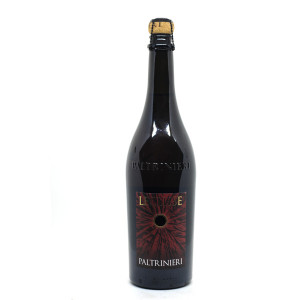
The Eclipse by Paltrinieri is a sparkling light ruby-red wine, with wide and intense aromas reminiscent of blackcurrant, sour cherry, the wild strawberry and rose hips on the palate is dry, full-bodied and strong flavor and acidity
Region: Emilia Romagna.
Grapes: Lambrusco di Sorbara.
Alcohol content: 11%.
Aging: Produced following the Charmat or Martinotti method, with re-fermentation in autoclave.
Contains sulfites
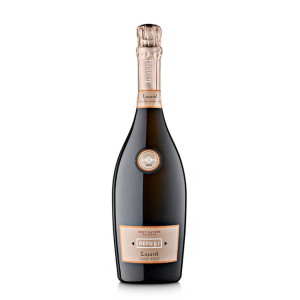
Refugi Reserva Brut Nature is a Traditional Method sparkling wine made from grapes grown at the Can Mayol estate in Vilobí del Penedès. Aged on the lees for 60 months and disgorged upon request, it offers elegant notes of dried fruit and toasted bread, delivering a refined, fresh, and sophisticated palate. It pairs perfectly with Mediterranean cuisine, game, and structured dishes.
Region: Spain, Penedes.
Grapes: Xarel-lo
Alcohol content: 12.5%.
Aging: At least 60 months on the lees.
Contains sulfites
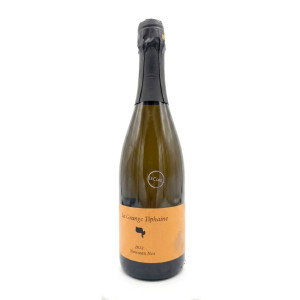
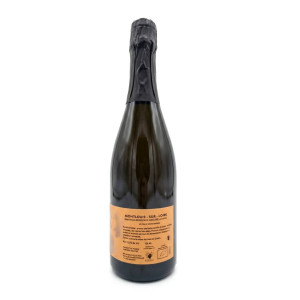
Nouveau Nez is an elegant Pétillant Naturel made from 100% biodynamic Chenin Blanc from the Loire. Fresh, creamy, and lively, it captivates with notes of apple, pear, citrus, and honey, a fine perlage, and distinct minerality. An authentic, energetic, and irresistibly drinkable wine.
Region: France, Loire
Grapes: Chenin Blanc
Alcohol content: 12,5%.
Aging: 3/6 mounths in steel.
Contains sulfites
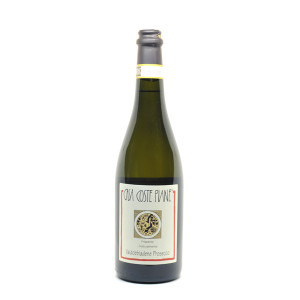
The Valdobbiadene Prosecco DOCG "Frizzante ... naturally" from Case Coste Piane is a Prosecco which is produced with the technique of refermentation in the bottle, the oldest and most natural method to obtain sparkling wines. After the first fermentation, the wine is bottled and rests all winter in a cool place. With the arrival of spring and the rise in temperature, a second spontaneous fermentation in the bottle with sugars and residual yeasts begins, which produces a light and lively perlage. Its colroe is intense straw yellow. On the nose aromas ranging from white fruit to flowers. The sip is full, pulpy, beautifully fresh, fruity and highly mineral.
Region: Veneto.
Grapes: 95% Glera,5% Verdiso, Bianchetta, Perera.
Alcohol content: 11%.
Aging: Refermentation in the bottle.
Contains sulfites
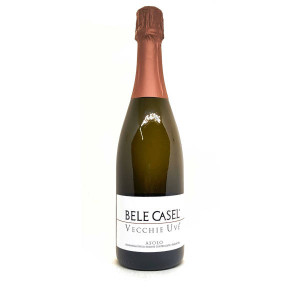
Authentic hills, and bubbles that have something to say. Fresh, dry, with aromas of yellow fruit and a lovely saline note. Clean, elegant, with no sugar content or overflowing.
Region: Veneto.
Grapes: 90% Glera, 5% Bianchetta Trevigiana, 5%, Perera.
Alcohol content: 11%.
Aging: 4 months on the lees.
Contains sulfites

The Franciacorta Rosé Brut from Azienda Agricola Solouva ages on the lees for at least 24 months. A dosage of 3.5 g/l is added at disgorgement, enhancing its elegance and freshness. Intense aromas of red fruits are perceived on the nose, while the wine is broad and structured on the palate. The ripe fruit of the Pinot Noir once again stands out, creating a balanced, elegant, and vibrant Franciacorta.
Region: Lumbardy.
Grapes: Pinot noir
Alcohol content: 12%.
Aging: 24 months on the lees in the bottle.
Contains sulfites


Etienne Sandrin's "Beauregard" Champagne is a Blanc de Noirs with great character, produced exclusively from 100% Pinot Noir grapes. Its perlage is fine and delicate, lending elegance and refinement to every sip. The nose opens with a fruity and mineral bouquet, dominated by intense notes of small red fruits reminiscent of cherries, raspberries, and currants, accompanied by mineral nuances that add complexity. On the palate, it is fresh and compact, with a structure that enhances the savory and mineral notes, culminating in a persistent and harmonious finish. This Champagne stands out for its elegance and balance, ideal for pairing with refined appetizers, fish dishes, or simply for a moment of celebration.
Region: France, Champagne.
Grapes: Pinot noir
Alcohol content: 12%.
Aging: 36 months on the lees.
Contains sulfites
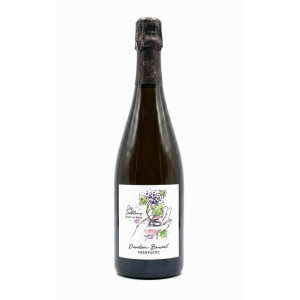
Les Sablons Durdon Bouval is a 100% Pinot Meunier Champagne from a single parcel located on sandy soils with deep layers of limestone. Vinified in stainless steel, it ages for at least 24 months on the lees. No dosage is used to preserve the purity and freshness of the fruit. The nose opens with a delicious bouquet of white fruit, citrus, and aromatic herbs. On the palate, it is distinguished by intense freshness and minerality, with an almost saline chalkiness that enhances its complexity. A true delight for lovers of Champagne with character and authenticity.
Region: France, Champagne.
Grapes: Pinot Meunier
Alcohol content: 12%.
Aging: At leastr 84 months on the lees.
Contains sulfites
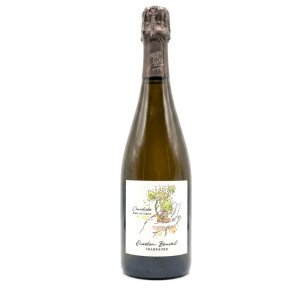
Durdon Bouval's Candide Champagne is a truly fascinating product from the Marne Valley, made from Chardonnay grapes from two different vintages, 2019 and 2029. Vinification takes place partly in stainless steel and partly in barriques, and it then ages on the lees for 24 months. Aromatic notes of pear, lime, and wildflowers convey freshness and minerality, while on the palate it presents a sharp freshness and savory character that make every sip enjoyable. Its good structure allows it to be enjoyed both as an aperitif and with refined dishes. In short, Durdon Bouval's Candide is an excellent choice for Champagne lovers seeking an authentic and distinctive experience.
Region: France, Champagne.
Grapes: Chardonnay,
Alcohol content: 12,5%.
Aging: At leastr 30 months on the lees.
Contains sulfites
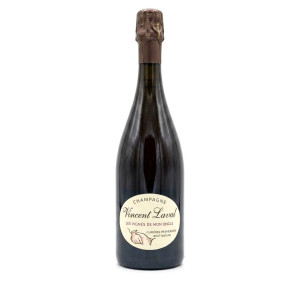
The Perle Noire Extra Brut Nature by Christophe Dechannes is a Champagne with an unexpected freshness and finesse. Produced from 100% Pinot Noir grapes, which come from the village of Les Riceys in the Côte des Bar. 15 months of aging on the yeasts. Suitable for an aperitif and goes perfectly with grilled fish or shellfish.
Region: France, Champagne.
Grapes: 40% Pinot Noir, 40% Chardonnay, 20% Pinot Meunier
Alcohol content: 12,5%.
Aging: 15 months on the lees.
Contains sulfites

The Touraine AOC Methode Traditionelle Blanc from Domaine Paget is made from 100% Chenin Blanc grapes. Aged on the lees for at least nine months, it boasts fine bubbles and mineral and floral aromas. On the palate, it is long, balanced, and rounded. Excellent as an aperitif, light first courses, and fusion dishes.
Region: France, Loire
Grapes: Chenin blanc
Alcohol content: 12%.
Aging: Aging in contact with the yeasts for at least 9 months.
Contains sulfites

The Vino Spumante di Qualità Metodo Classico Brut Rosè by VentiVenti is an excellent expression of the Sorbara terroir, obtained from 100% Lambrusco di Sorbara grapes. This sparkling wine stands out for its intense and refined aromas of red fruits and rose petals, enriched by a delicate complexity deriving from the sparkling process. On the palate, it is enveloping and tasty, with an incisive minerality balanced by a soft creaminess that enhances its structure. Its fine and persistent perlage highlights the characteristic freshness of Sorbara, making it ideal to pair with delicate dishes and seafood, such as raw and local dishes. A versatile and refined wine, perfect to accompany special and convivial moments.
Region: Emilia Romagna.
Grapes: Lambrusco di Sorbara
Alcohol content: 12%.
Aging: Refermentation int he bottle.
Contains sulfites