
 English
 Italiano

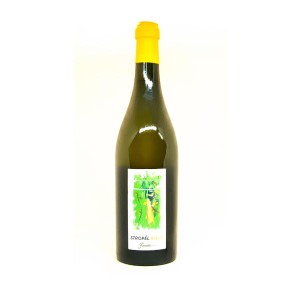
Stropél Bianc IGP Bianco dell’Emilia by Ferretti Vini is a sparkling white wine that comes from a careful blend of Malvasia Aromatica, Malvasia Bianca, Trebbiano, Moscato Bianco and Pignoletto. Its name pays homage to the "little willow" in the Reggio dialect, symbol of an ancient tradition linked to the growth of vines, which were accompanied by this shrub during their development. This wine stands out for its spontaneous fermentation and natural refermentation in the bottle, which give it unique characteristics and an authentic character. On the palate, it has an evident aromaticity, enriched by fresh and floral notes, but maintains a dry and savory drink, capable of perfectly balancing its components and stimulating the desire for a new glass. Stropél Bianc represents an excellence of Emilia, capable of combining tradition, naturalness and sensory pleasure.
Region: Emilia Romagna.
Grapes: 25% Malvasia Aromatica, 25% Malvasia Bianca, 20% Trebbiano, 20% Moscato Bianco, 10% Pignoletto.
Alcohol content: 11%.
Aging: Refermentation in the bottle.
Contains sulfites

Valentini’s Cerasuolo d’Abruzzo is an excellent expression of Montepulciano grapes, characterized by an authentic heart and great elegance. Located in Loreto Aprutino, in the province of Pescara, this historic winery represents one of the excellences of Abruzzo winemaking, renowned for the production of high-quality wines that have established themselves on the international scene. The dedication and passion that distinguish Valentini are reflected in every bottle, making Cerasuolo a symbol of tradition and innovation in the world of wine.
Region: Abruzzo
Grapes: Montepulciano d'Abruzzo
Alcohol content: 14%.
Aging: 12 months in 50 and 70 hl oak barrels.
Contains sulfites
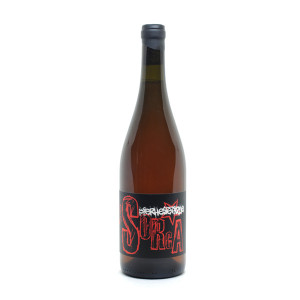
The Fier Heretique of La Sorga is a complex, fresh, medium-bodied, fruity and tasty wine, highly gastronomic.
Region: France, Languedoc-Rousillon.
Grapes: Nielluciu, Moscato d'Alessandria, Moscato di grano tenero, Cardinale, Chasselas, Listan, ecc..
Alcohol content: 11,5%.
Aging: Some months in steel.
Contains sulfites

Naked Rosè by Weingut Heinrich is a fruity and fresh rosé wine, made from 100% Blaufränkisch grapes. Spontaneous fermentation and maceration for a few hours, refining on its own fine lees for 5 months in large used oak barrels. The wine is finally bottled without filtration, clarification or addition of sulfur. A great companion of the table, especially in summer..
Region: Austria, Burgerland
Grapes:Blaufränkisch
Alcohol content: 12%.
Aging: 5 months in used wooden barrels.
Contains sulfites

Bifaro Bianco is a wine macerated on the skins, of great expressiveness and taste-olfactory richness. Obtained from Mantonico and Malvasia grapes, coming from a vineyard at 400 meters. The fermentation is spontaneous with maceration on the skins for 1 day, to then finish its refinement in steel. The nose offers notes of bergamot, Mediterranean herbs and wild flowers. On the palate it is agile, direct and highly drinkable.
Region: Calabria.
Grapes: Mantonico, Malvasia Bianca
Alcohol content: 12%
Aging: Some months in steel
Contains sulfites
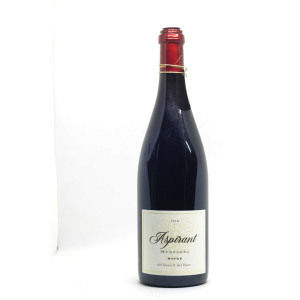
Casa Caterina's Aspirant is a rosé wine made from pure red grapes. The grapes come from vineyards located on a clayey-calcareous subsoil. Spontaneous fermentation with indigenous yeasts only and then refinement in wood and steel for 12 months. As for the other wines of Casa Caterina, the Aspirant is not filtered or clarified, but it can have a natural deposit in the bottle. A wine that will give you a wide nose with aromas of red berried fruits, spicy touches of black pepper and tobacco. On the palate it is fine and elegant, fresh with good flavor.
Grapes: Local red grapes.
Alcohol content: 13.5%.
Aging: 12 months in steel and wood.
Contains sulfites
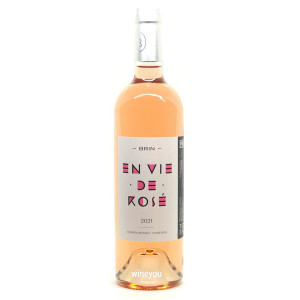
“En Vie de Rosè” is a wine of original expressiveness, the result of its unusual ampelographic composition, and of delicious workmanship, the result of quality viticulture and exceptionally accurate winemaking. The mouth is straight, wide, soft and tasty. Brilliance and compactness, guide a very fine and lymphatic sip. Great persistence for a great rosé wine! Exceptionally versatile at the table.
Region: France, Gaillac.
Grapes:60% Cabernet Sauvignon, 30% Duras e 10% Braucol.
Alcohol content: 12%.
Aging: Some months in steel.
Contains sulfites

Pink Freud is a rosé wine made from aglianico grapes which ages for some months in steel. It has a color has a light ruby red color. The nose turns out to be fruity, with fragrant hints of red berry fruit with light floral and spicy nuances. On the palate it is fresh, medium-bodied and with good persistence.
Region: Campania.
Grapes: Aglianico.
Alcohol content: 12,5%.
Aging: 9 months in steel.
Contains sulfites

The Lambrusco Rosso Frizzante "Al Scur" from the Ferretti winery represents an excellence of the Emilian wine tradition. Its authenticity and strong connection with the territory make it an ideal wine to accompany typical dishes, in particular cold cuts, which enhance its freshness and taste profile. The winemaking takes place with a blend of red grapes, using exclusively indigenous yeasts, which helps to preserve the varietal characteristics and terroir. The result is a wine with an intense ruby red color, with violet reflections that capture the attention. On the nose, you can perceive enveloping aromas of red fruits, such as cherries and currants, enriched with spicy notes that add complexity. On the palate, "Al Scur" stands out for a fruity and lively sip, which proves agile and juicy. Its lightness and enjoyable character make it perfect to be enjoyed in company, making every moment special. It is not just a wine, but an experience that celebrates the conviviality and richness of Emilian cuisine.
Region: Emilia Romagna.
Grapes: 25% Lambrusco Salamino, 20% Maestri, 15% Grasparossa, 10% Marani, 8% Oliva, 5% Barghi, 2% Foglia Frastagliata, 15% di Ancellotta.
Alcohol content: 12%.
Aging: Refermentation in the bottle.
Contains sulfites
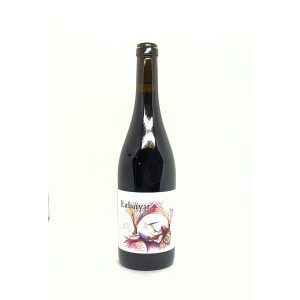
Barranco Oscuro's Rubaiyat is a full and austere red wine, not overly immediate. Most of all, the beautiful persuasive tannins, softened by the period of aging in oak barrels and the multiple notes of spices and ripe fruit, stand out.
Region: Spagna, Andalucia.
Grapes: Syrah
Alcohol content: 14,5%.
Aging: Aging partly in steel and partly in used oak barriques.
Contains sulfites

Karmin N° 10 by Weingut Strohmeier is a rosé wine produced from Blauer Wildbacher grapes.
Region: Austrian, Styria
Grapes: Blauer Wildbacher.
Alcohol content: 13%.
Aging: Some months in barrel.
Contains sulfites
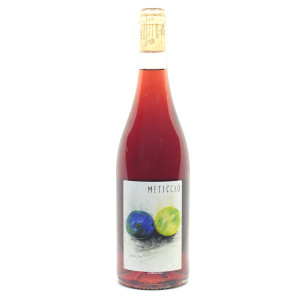
Meticcio is a rosé wine born from a new world view. Rosé neither by soft pressing of only red grapes, nor by bleeding, the Meticcio is a wine that comes from the contemporary collection of our white and red grapes which are pressed together, and naturally ferment in a mixture of skins, skins and colors, to give a wine that tells a lot about Corrado Dottori and his wife Valeria about how they see the world and how they would like it to be for their children
Grape variety: Local red and white grapes.
Alcohol content: 12.5%.
Aging: 12 months in steel
Contains sulfites

Muster's Rosè is a fresh, light and personality wine obtained from a blend of Zweigelt, Blaufränkisch and Blauer Wildbacher, native Austrian vines. The name "Opok" derives from the limestone-clay soil typical of this area. The wine ages in the same barrels for about 20 months. It is not filtered and no sulfur is added before bottling.
Region: Austria, Stiria.
Grapes: Blaufrankisch, Zweigelt, Blauer Wildbacher.
Alcohol content: 11,5%.
Aging: 24 months in cask.
Contains sulfites

Cirelli's Cerasuolo d'Abruzzo "Anfora" is an intense and complex rosé wine, vinified and aged in amphora. It has a beautiful cherry pink color with a nose that tastes of raspberry and pepper. On the palate it is a fresh and savory taste.
Region: Abruzzo.
Grapes: Montepulciano d'Abruzzo.
Alcohol content: 13,5%.
Aging: 12 months in amphora.
Contains sulfites

Le Cince is a Montepulciano-based rosé wine which ages for 8-10 months in large wooden barrels. Seductive nose that evolves into a beautiful floral expression, in particular pink and violet, followed by hints of raspberry and cassis, and in closing by light mineral notes. In the mouth it is fresh, pulpy, flashes of acidity, very vinous and closes with a nice flavor. A great rosé, captivating, with great personality but with an impressive drink.
Region: Abruzzo.
Grapes: Montepulciano d'Abruzzo.
Alcohol content: 13,5%.
Aging: 8 month in large wooden barrels.
Contains sulfites