
 English
 Italiano


SoloUva's Franciacorta Dosaggio Zero is made exclusively from Chardonnay grapes. Aged on the lees in bottle for 36 months, it stands out for its mineral freshness and elegant aromatic profile. With delicate notes of citrus and white fruit, it's enriched with a light hint of yeast that enhances its finesse. The long, savory, and persistent finish emphasizes its structure and cleanliness, making it ideal for those seeking a refined wine.
Region: Lumbardy.
Grapes: Chardonnay.
Alcohol content: 12%.
Aging: 36 months on the lees in the bottle.
Contains sulfites
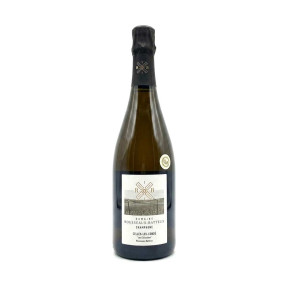
The Le Celles-Lès-Condé Autre Cru "Les Echaudèes" from Rousseaux-Batteux is an interesting expression of Champagne, with a particular focus on Pinot Meunier, which represents 100% of the cuvée. The vines, with an age of 40 years, grow in the prestigious cru of Celles-Lès-Condé, known for its microclimate and soil favorable to viticulture. The choice to ferment in oak barrels gives the wine complexity and depth, while the 14-month aging in wood helps to further develop its aromas and give it an elegant structure. The relatively low dosage of 2-3 g/l underlines the intent to maintain the purity and authenticity of the wine, allowing the character of Pinot Meunier to express itself at its best. This Champagne has typical fruity and floral notes, with a fine texture and freshness that make it suitable both for an aperitif and to accompany more elaborate dishes. The care and attention that the producers dedicate to this Champagne reflects a winemaking tradition that enhances terroir and variety.
Region: France, Champagne.
Grapes:Pinot meunier
Alcohol content: 12%.
Aging: 20 months on the lees.
Contains sulfites

The Rosso Frizzante Iena by Franchina and Giarone is a dry wine with a biting freshness. The aromas on the nose recall violets and some red fruits, such as cherries and plums. In the mouth it is fragrant, straightforward and drinkable, pleasantly dried by a subtle tannic texture which makes it ideal for an aperitif with friends, or perhaps for a fish grill with relatives, ideal for a thousand occasions, not to be missed!
Region: Emilia Romagna.
Grapes: Red grapes
Alcohol content: 12%.
Aging: Refermentation int he bottle.
Contains sulfites

Mirko Mariotti's Turnè is a sparkling wine obtained from refermentation in the bottle without "disgorgement" based on Trebbiano and Grecheto grapes. "Sur lie" wine, to be served clear or cloudy depending on personal tastes. It goes well with appetizers of Emilian cured meats or in company with friends.
Region: Emilia Romagna.
Grapes: Trebbiano and Grechetto.
Alcohol content: 12.5%.
Aging: Refermentation in the bottle.
Contains sulfites

Piccolo Bacco dei Quaroni's PBQ Cruasé is a fresh, pleasant and structured rosé sparkling wine, made from 100% Pinot Noir grapes. It ages for at least 24 months on the lees, and after disgorgement, no liqueur d'expédition is added. Of a color tending towards antique pink, it opens with floral aromas and persistent notes of small ripe fruits and crusty bread. On the palate it is pleasant for its freshness and cleanliness; in a complex of good sapidity it convinces with elegance.
Region: Lumbardy
Grapes: Pinot noir.
Alcohol content: 11.5%.
Aging: Permanence on noble lees for at least 24 months.
Contain sulfites

999 Brut Nature Reserva Rosato by Loxarel is a Spanish sparkling wine as sharp as a blade, obtained from a blend of Xarello, Vermell and Pinot Noir. It is an excellent aperitif, but also a refreshing companion to any meal.
Region: Spain, Penedes.
Grapes: Xarello, Vermell and Pinot noir
Alcohol content: 12.5%.
Aging: At least 18 months on the lees.
Contains sulfites
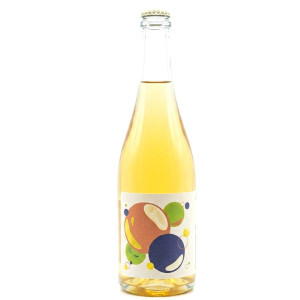
An unusual Pet Nat that comes from the fusion of a blend of white grapes macerated for 22 days. Ancestral method with end of fermentation in the bottle for a sparkling wine that calls for food, perhaps a fried lamb or a rabbit in porchetta, to balance the acid-tannic "game" of the wine.
Denomination: Sparkling white wine
Grapes: Local white grapes.
Alcohol content: 11%.
Aging: Refermentation in the bottle.
Contains sulfites
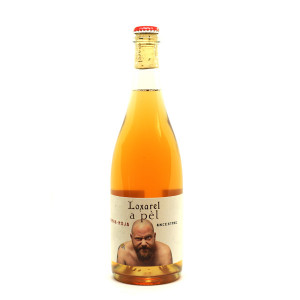
Barba Roja Ancestral by Loxarel is a sparkling wine that comes from a Sumoll blend, red Xarelho and Grenache, elaborated according to the ancestral method, of a single fermentation that begins in 720-liter clay amphorae itself and ends in the bottle . It is marketed without disgorgement. Vineyards located at an altitude of 700 m above sea level in the area of Pla de Manlleu (Alt Penedès). Clayey, poor and calcareous soil, with very diversified undergrowth, surrounded by pines, oaks and some clays.
Region: Spain, Penedes.
Grapes: Sumoll, red Xarelho and Grenache
Alcohol content: 12%.
Aging: Refermentation in the bottle.
Contains suflites
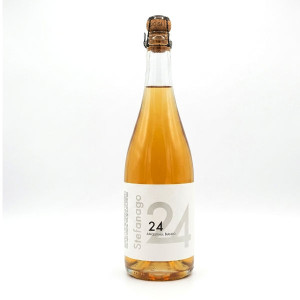
The Spumante Metodo Classico Brut Blanc de Blancs "Ancestrale" by Castello di Stefanago is a sparkling wine obtained from 100% Pinot Noir grapes. Disgorging is done manually, after 24 months on the lees, and the bottles are filled with the same wine without adding anything. The sparkling wine has golden yellow reflections, offering a very particular and fascinating profile, with a scent and flavor that recall ripe fruit, accompanied by fragrant notes of pastry and aromatic herbs. Its abundant foam and continuous, thin and discreet perlage give it a creamy and inviting appearance. On the palate, it stands out for its soft and balanced taste, enhanced by a gentle acidity that enhances its freshness. It is ideal as an aperitif and lends itself well to accompanying the entire meal.
Region: Lumbardy.
Grapes: Pinot noir
Alcohol content: 12,5%.
Aging: 24 months on the lees.
Contains sulfites

Danger 380 Volts is a sparkling white wine obtained with the method of refermentation in the bottle based on a blend of Muller Thurgau, Neuburger and Muscat. Spontaneous fermentation in wooden barrels of 600 liters for 2 months. Then it is bottled. Spontaneous refermentation in the bottle in spring with the arrival of the first hot ones. Unfiltered wine, without added sulfts.
Region: Czech Republic
Grapes: 70% Muller Thurgau, 20% Neuburger, 10% Muscat
Alcohol content: 12%.
Aging: Spontaneous refermentation in the bottle.
Contains sulfites

Neromaestri is a sparkling wine obtained from a blend of Lambrusco Maestri and Lambrusco Grasparossa. The nose is expressed with aromas of red fruit, intense and complex secondary fermentation aromas. On the palate it is enveloping, dry and dry, with a beautiful freshness.
Grapes: 70% Lambrusco Maestri, 30% Lambrusco Grasparossa.
Alcohol content: 12%.
Aging: Refermentation in the bottle.
Contains sulfites
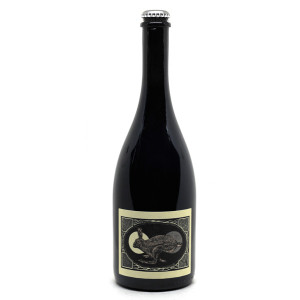
The "Stiolorosso" is an intense and persuasive sparkling red wine, creamy on the palate, which is born from the assembly of local red grapes. Only a few thousand bottles are produced. After the second fermentation in the bottle, it is left in contact with the fine lees without filtration. It comes in the glass with abundant foam, an intense taste and a long finish. Its delicate bubbles leave a pleasant sensation of freshness and flavor in the mouth. The nose expresses floral notes of rose and violet, fruity aromas of black cherry and wild berries, as well as hints of pomegranate.
Grapes: Blend of local red grapes.
Alcohol content: 12,5%.
Aging: Refermentation in the bottle.
Contains sulfites

With this Lambrusco we enter the world of Stefano Pescarmona, where wine vibrates, sings and laughs! The pure Lambrusco Maestri gives us black fruit pulp, aromatic herbs, undergrowth and a slight final astringency. Excellent for an aperitif or for more complex combinations, a wine with a very fresh taste, character and no frills.
Region: Emilia Romagna.
Grapes: Lambrusco Maestri.
Alcohol content: 12%.
Aging: Refermentation in the bottle.
Contains sulfites
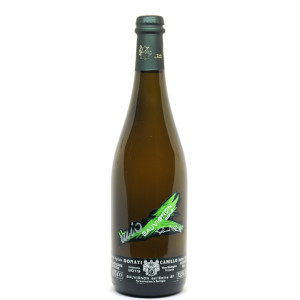
"Mio Sauvignon" is a wine with a fine and elegant bubble, and with a pleasant persistence. The nose has intense and aromatic aromas with floral notes and vegetal hints. In the mouth the pleasant freshness of the bouquet stands out, elegant and with good persistence. Typical of the grape variety.
Region: Emilia Romagna.
Grape variety: Sauvignon.
Alcohol content: 13%.
Aging: Refermentation in the bottle.
Contains sulfites
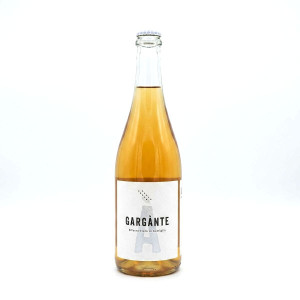
Gargante is a sparkling wine made from garganega grapes obtained by the method of fermentation in the bottle. It has a straw yellow color with a nice abundant foam. On the nose we can perceive hints of yeasts and notes of ripe and exotic fruit. The sip is satisfying, fresh and enveloping. Il Gargante is a sincere and immediate wine, which stands out for its ease of drinking.
Region: Veneto.
Grapes: Garganega.
Alcohol content: 11,5%.
Aging: Refermentation in the bottle.
Contains sulfites