5% OFF WITH THE WELCOME CODE

SPARKLING WINES

Sparkling wine is a wine that, when it is sealed, produces foam, caused by the presence of carbon dioxide. The legislation stipulates that a natural sparkling wine is a wine produced by the first or second alcoholic fermentation of fresh grapes, wine grape must, which is characterized by the separation from carbon dioxide arising exclusively from fermentation and that, at a temperature of 20 ° in closed containers has a pressure of not less than 3 atmospheres and a minimum alcohol content of 9.5%. There are two types of sparkling wine: one that involves bottle fermentation and is called the Classic Method, and the other, where fermentation occurs in autoclaves, is called the Charmat Method. The spumante's history dates back to the first century AD. when Pliny the Elder quoted in his Naturalis Historia the "sparkling wines of the goddess Augusta". But the real champagne of the sparkling wine was Dom Perignon, abbot of Hautvillers in Champagne and abbey winery, who was the first to perfect the method for producing the bubbles that was called the Champenoise Method. In Italy the first to adopt this method were the Gancia, in Piedmont to 1850, in 1871 the Carpene Malvolti in Veneto, and at the beginning of 900 by Ferrari in Trentino. Today in Italy, like in the rest of the world, this name can no longer be used. In Italy it is called Classic Method, in Spain Cava, in France outside the Champagne region the name Cremant is used, in Germany Sekt is used. Vineyards Traditionally used are Chardonnay, Pinot Noir and Pinot Meunier.Most of the sparkling wines are produced by assembling these three varieties in varying quantities, Chardonnay gives elegance and refinement, the Pinot Noir structure and power, and the Pinot Meunier fruity aromas. If a sparkling wine is produced using only Chardonnay or white berry grapes it is called Blanc de Blancs, whereas if you are using red grape vines the name will be Blanc de Noirs. But how is a sparkling wine produced? First, it is necessary to harvest uncomplicated grapes so as to have a slightly low sugar level and a high acidity. With the grapes in the cellar, the base wine is prepared which must have a strong acidity and then be bottled for the fermentation. The pressing of the clusters must be soft, the first fraction of squeezing is the most valuable and is used for cuvèes while the second fraction is destined for the formation of the most common sparkling wines. Once the base wine is obtained, in the spring the winery will proceed to the formation of the cuvèe. The wine cellar must be very experienced and prepared, in fact, will try to assemble different wines from their origin, vine, year of production so as to obtain cuvèes that each year have characteristics of taste, complexity and structure that can be attributed to the company. If a vintage is particularly favorable, the winery may decide to use the grapes only of that vintage and in this case it will be referred to sparkling wine millesimato. Produced by our cuvèes, it is added to the so-called liquer de tirage, which is nothing more than wine, sugar and yeast. Add 24 grams of sugar because four grams are used to produce an atmosphere.Then the wine is bottled, and the bottles are sealed hermetically with crowned caps and stuck in the cellar in a horizontal position. Thus begins the foaming, where the yeasts transform the sugar into alcohol and a good amount of carbon dioxide is produced that is bottled by forming the bubbles. This process must take place at 10/12 ° temperatures so that fermentation takes place slowly and the bubbles that form, the so-called perlage, will be fine and persistent. After fermentation, the yeasts are self-destruct and precipitate to the bottom of the bottle, and remain in contact with the wine to which they will give aromas and perfumes. The longer this contact time is the better the sparkling wine you will get. Once a month the bottles are shaken so that the yeasts are suspended and do not hang on the bottom. Once the aging period has elapsed, the remuage begins, which is the practice of eliminating the yeast yeast and the lees from the sparkling wine. The bottles are put into the pupitres that are boards with several holes hooded up. The bottles are put down with their neck down and every day they are rotated so that the lees drop to the cap. Remuneration can take up to 12 months. Today, this operation is carried out automatically through the giropalettes. When all the bottles are upright, with the tip down, you go to the degorgement, which is to freeze the neck of the bottle in a coolant solution. At this point the bottle is disconnected, and due to the internal pressure the lees are eliminated. The grafting operation follows the addition of expedition liquor, a liquid made up of aged wine, distilled and variable parts of sugar depending on the type of sparkling we want to obtain, extrabrut, brut, extradry and ... if after dosé not it will put sugar. After finishing the bottling, the bottles will be put into the cellar for a few months before being sold. In sparkling wines obtained with the Charmat or Martinotti Method, the second fermentation occurs in autoclaves. It may vary from three months, Charmat Short Method, to Six Months, Long Charmat Method. Another difference with the Classic Method is that aromatic grapes such as Moscato, Brachetto and Malvasie are used, as this method is used to enhance the fresh scents of grapes. Sparkling wines usually use cold at a temperature of 6/8 ° even if it is better to propose the special cuvèes and the millesimates around the 10/12 °. Several dishes are served at the table. Perfect as an aperitif, ideal for accompanying first courses with vegetables and fish, seafood seconds. If based on Pinot Noir you can go with the salami, Parmigiano Reggiano and meat preparations.

SKU: MMA003

The Sèt and the Mèz appear to be a light colored cerasuolo with a beautiful foam. A nose bouquet is a bouquet of roses, delicate but delicious, and fruity notes. At the sip it expresses freshness accompanied by compact and material bubbles.

Region: Emilia Romagna.

Grapes: Fortana

Alcohol content: 12,5%.

Aging: Refermentation in the bottle.

Contains suflites

€10.90
Add to cart
SKU: MMA001

"Surlie" by Mirko Mriotti is a lively and dynamic sparkling red wine that comes from grapes of Fortana in purity. Purplish red color, slightly turbid with a good effervescence. On the nose the aromas are intense and fine with floral and fruity scents. In the mouth it is dry, warm, fairly soft but fresh and tasty, with a bitter finish.

Region: Emilia Romagna.

Grapes: Fortana.

Alcohol content: 12.5%.

Aging: Refermentation in the bottle.

Contains sulfites

€10.90
Add to cart
SKU: DBI004

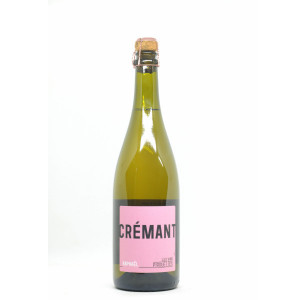
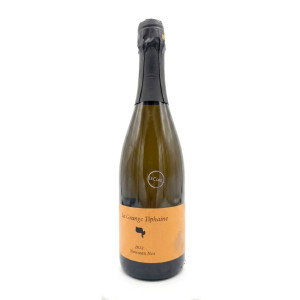
The Cremant d'Alsace de Raphael by Les Vins Pirouettes is a fresh, agile and crunchy sparkling wine based on a blend of Pinot Blanc, Auxerrois, Riesling, Pinot Grigio. Like a bite of an apple surrounded by white flowers, bread crust and minerality. Tense and thirst-quenching sip, but of great elegance.

Region: France, Alsace.

Grapes: Pinot Blanc, Auxerrois, Riesling, Pinot Grigis.

Alcohol content: 12,5%.

Aging: At least 26 months on the lees in steel.

Contains sulfites

€27.90
Add to cart
SKU: MMA007

Mirko Mariotti's Turnè is a sparkling wine obtained from refermentation in the bottle without "disgorgement" based on Trebbiano and Grecheto grapes. "Sur lie" wine, to be served clear or cloudy depending on personal tastes. It goes well with appetizers of Emilian cured meats or in company with friends.

Region: Emilia Romagna.

Grapes: Trebbiano and Grechetto.

Alcohol content: 12.5%.

Aging: Refermentation in the bottle.

Contains sulfites

€11.90
Add to cart
SKU: CDO004

The Lambrusco by Camillo Donati is presented in a ruby ​​red glass with violet reflections. The nose is full of aromas of red fruit and vinous notes. On the palate it is full-bodied, with a strong, harmonious personality, with excellent acidity and a light tannic texture that is perfect to pair with traditional dishes. A glass of "My Lambrusco" is you are immediately there to look for ano

Region: Emilia Romagna.

Grape variety: Lambrusco Maestri.

Alcohol content: 12,5%.

Aging: Refermentation in the bottle.

Contains sulfites


€16.90
Add to cart
SKU: BRT007

Olivia is the new creation of Bergianti, obtained from Oliva grapes, typical of the area. Wine where drinkability is very satisfying, and which, as soon as it is uncorked, is already finished.

Grapes: Oliva.

Alcohol content: 12.5%.

Aging: Refermentation in the bottle.

Contiens sulfites

€17.90
Add to cart
SKU: PSN002

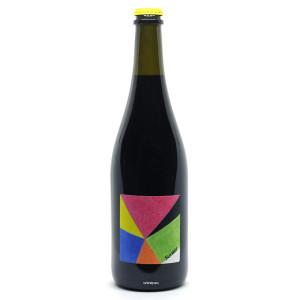
The Saldalama by Podere Sotto il Noce is a juicy and drinkable sparkling wine made from red grapes produced with the method of refermentation in the bottle. After the manual harvest of the grapes, fermentation takes place spontaneously in concrete tanks, with a second refermentation in the bottle. A fresh and taut wine, pleasant and refreshing, with hints of wild strawberries and bread crust.

Denomination: Sparkling wine

Grapes: Local red grapes.

Alcohol content: 12,5%.

Aging: Refermentation in the bottle.

Contains sulfites

€16.90
Add to cart
SKU: CDS007

Castello di Stefanago's Spumante Metodo Classico Brut Nature 48 is produced with 100% Pinot Noir grapes. Very particular sparkling wine with golden yellow reflections, simple and intuitive that evokes the scent and flavor of ripe fruit with fragrant notes of pastry and aromatic herbs. Abundant foam, continuous, subtle, discreet, creamy perlage, with a soft and balanced taste with a gentle acidity. Ideal as an aperitif, suitable for the whole meal.ing.

Region: Lumbardy.

Grapes: Pinot noir

Alcohol content: 12,5%.

Aging: 48 months on the lees.

Contains sulfites

€31.90
Add to cart
SKU: CDS007

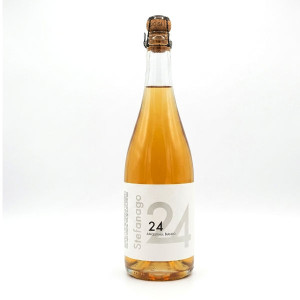
The Spumante Metodo Classico Brut Blanc de Blancs "Ancestrale" by Castello di Stefanago is a sparkling wine obtained from 100% Pinot Noir grapes. Disgorging is done manually, after 24 months on the lees, and the bottles are filled with the same wine without adding anything. The sparkling wine has golden yellow reflections, offering a very particular and fascinating profile, with a scent and flavor that recall ripe fruit, accompanied by fragrant notes of pastry and aromatic herbs. Its abundant foam and continuous, thin and discreet perlage give it a creamy and inviting appearance. On the palate, it stands out for its soft and balanced taste, enhanced by a gentle acidity that enhances its freshness. It is ideal as an aperitif and lends itself well to accompanying the entire meal.

Region: Lumbardy.

Grapes: Pinot noir

Alcohol content: 12,5%.

Aging: 24 months on the lees.

Contains sulfites

€25.90
Add to cart
SKU: VUN005

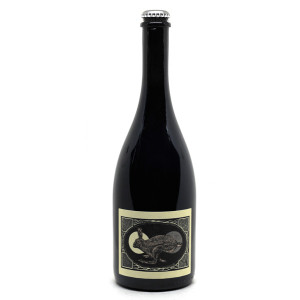
Rosè and The Beast is a bottle refermented wine obtained from red grapes according to the bottle refermentation method. The grapes come from vineyards located on limestone and loamy soils at 350 m.s.l.m. First fermentation in steel tanks without maceration and refermentation in the bottle with the addition of must. A sparkling wine with a lively foam that expresses fresh floral notes and fragrant fruity scents to the nose, offering a pleasant olfactory bouquet. The taste is smooth, fresh and smooth, with good persistence and excellent drinkability. A wine synonymous with celebration and lightness.

Denomination: Sparkling wine

Grapes: Local red grapes

Alcohol content: 12,5%.

Aging: Refermented in the bottle.

Contains sulfites

€12.90
Add to cart
SKU: PCP001

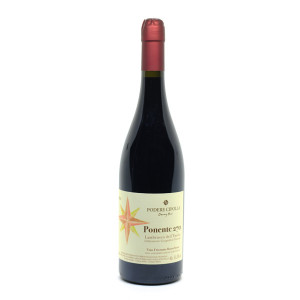
"Ponente 270" is a sparkling wine refermented in the bottle that comes from a blend of Lambrusco grapes. Lively and frank with a bright ruby ​​red color with a nice lively foam. The nose expresses the classic vinous and fruity aromas of Lambrusco, embellished with gentle floral notes. In the mouth it is snappy, with great ease of drinking and disarming freshness.

Region: Emilia Romagna.

Grapes: Lambrusco (Graparossa, Sorbara, Salamino, Maestri, Montericco) 75%, Malbo Gentile 15%.

Alcohol content: 12,5%.

Aging: Bottle refermentation according to the ancestral method without disgorgement.

Contains sulfites

€13.90
Add to cart
SKU: PMO001

Peter Lauer produces different versions of Riesling, and in this case he offers it in an unusual effervescent guise. Its Cremant is based on riesling and ages on the lees for 20 months. It has an intense straw yellow color with a fine and persistent effervescence. The nose has a fruity aroma with notes of white peaches and apricots, combined with pleasant sensations of croissants in the background. The sip is fresh and reactive, long and supported by a beautiful acidity typical of riesling. It closes with a long and clean finish.

Region: Germany, Moselle.

Grapes: Riesling.

Alcohol content: 12.5%.

Aging: 20 months on the lees.

Contains sulfiets

€28.90
Add to cart
SKU: LXR008
Brand: Loxarel

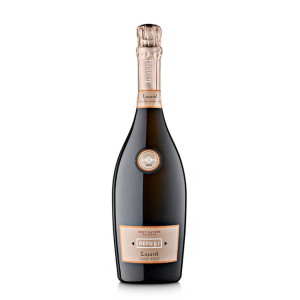
Amaltea is a Spanish sparkling wine taglieten like a lama, obtained from indigenous varieties of Penedès: 60% Xarello, 30% Macabeu and 10% Parellada. It is an excellent aperitif, but also a refreshing companion to any meal. "Amalthea" is the name of the goat on the label which reflects the philosophy of Loxre in fact, according to Greek mythology, Amalthea raised the god Zeus with her milk and her horn plays an important role in biodynamic viticulture.

Region: Spain, Penedes.

Grapes: 60% Xarello, 30% Macabeu and 10% Parellada. 

Alcohol content: 12.5%.

Aging: At least 18 months on the lees.

Contains sulfites

€18.90
Add to cart
SKU: LXR001
Brand: Loxarel

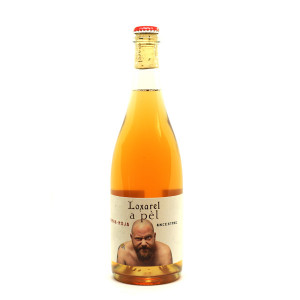
Barba Roja Ancestral by Loxarel is a sparkling wine that comes from a Sumoll blend, red Xarelho and Grenache, elaborated according to the ancestral method, of a single fermentation that begins in 720-liter clay amphorae itself and ends in the bottle . It is marketed without disgorgement. Vineyards located at an altitude of 700 m above sea level in the area of ​​Pla de Manlleu (Alt Penedès). Clayey, poor and calcareous soil, with very diversified undergrowth, surrounded by pines, oaks and some clays.

Region: Spain, Penedes.

Grapes: Sumoll, red Xarelho and Grenache 

Alcohol content: 12%.

Aging: Refermentation in the bottle.

Contains suflites

€25.90
Add to cart
SKU: CSP001

The "Stiolorosso" is an intense and persuasive sparkling red wine, creamy on the palate, which is born from the assembly of local red grapes. Only a few thousand bottles are produced. After the second fermentation in the bottle, it is left in contact with the fine lees without filtration. It comes in the glass with abundant foam, an intense taste and a long finish. Its delicate bubbles leave a pleasant sensation of freshness and flavor in the mouth. The nose expresses floral notes of rose and violet, fruity aromas of black cherry and wild berries, as well as hints of pomegranate.

Grapes: Blend of local red grapes.

Alcohol content: 12,5%.

Aging: Refermentation in the bottle.

Contains sulfites

€16.90
Add to cart
Compare (0 items) My Wishlist (0 items) Contact us
Please login first
Please login first

Your cart

There are no more items in your cart