
 English
 Italiano


The Blanc De Blancs of Divella is a sparkling wine made from Chardonnay grapes coming from vineyards at about 400 meters above sea level that rest on calcareous and clayey soils of ancient formation, rich in fossil material that gives minerality to the sparkling wine. Elegant and fragrant wine that is fermented in concrete tanks, barriques and tonneau, and which ages for at least 20 months on the lees, then dégorgement and in the bottle without adding diliqueur d'expedition.
Grape variety: Chardonnay.
Alcohol content: 12%.
Aging: 38 months on the lees.
Contains sulfites

SoloUva's Franciacorta Dosaggio Zero is made exclusively from Chardonnay grapes. Aged on the lees in bottle for 36 months, it stands out for its mineral freshness and elegant aromatic profile. With delicate notes of citrus and white fruit, it's enriched with a light hint of yeast that enhances its finesse. The long, savory, and persistent finish emphasizes its structure and cleanliness, making it ideal for those seeking a refined wine.
Region: Lumbardy.
Grapes: Chardonnay.
Alcohol content: 12%.
Aging: 36 months on the lees in the bottle.
Contains sulfites

Piccolo Bacco dei Quaroni's PBQ Cruasé is a fresh, pleasant and structured rosé sparkling wine, made from 100% Pinot Noir grapes. It ages for at least 24 months on the lees, and after disgorgement, no liqueur d'expédition is added. Of a color tending towards antique pink, it opens with floral aromas and persistent notes of small ripe fruits and crusty bread. On the palate it is pleasant for its freshness and cleanliness; in a complex of good sapidity it convinces with elegance.
Region: Lumbardy
Grapes: Pinot noir.
Alcohol content: 11.5%.
Aging: Permanence on noble lees for at least 24 months.
Contain sulfites
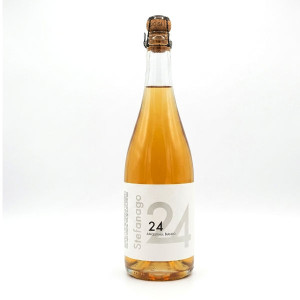
The Spumante Metodo Classico Brut Blanc de Blancs "Ancestrale" by Castello di Stefanago is a sparkling wine obtained from 100% Pinot Noir grapes. Disgorging is done manually, after 24 months on the lees, and the bottles are filled with the same wine without adding anything. The sparkling wine has golden yellow reflections, offering a very particular and fascinating profile, with a scent and flavor that recall ripe fruit, accompanied by fragrant notes of pastry and aromatic herbs. Its abundant foam and continuous, thin and discreet perlage give it a creamy and inviting appearance. On the palate, it stands out for its soft and balanced taste, enhanced by a gentle acidity that enhances its freshness. It is ideal as an aperitif and lends itself well to accompanying the entire meal.
Region: Lumbardy.
Grapes: Pinot noir
Alcohol content: 12,5%.
Aging: 24 months on the lees.
Contains sulfites

The Franciacorta Rosé Brut from Azienda Agricola Solouva ages on the lees for at least 24 months. A dosage of 3.5 g/l is added at disgorgement, enhancing its elegance and freshness. Intense aromas of red fruits are perceived on the nose, while the wine is broad and structured on the palate. The ripe fruit of the Pinot Noir once again stands out, creating a balanced, elegant, and vibrant Franciacorta.
Region: Lumbardy.
Grapes: Pinot noir
Alcohol content: 12%.
Aging: 24 months on the lees in the bottle.
Contains sulfites

Stella del Filare's Franciacorta Rosè displays unexpected elegance with exceptional drinkability. Made from 100% Pinot Noir from a single vineyard, the bottles are disgorged after approximately 24 months of aging on the lees. The perfect wine for celebrating and clinking glasses late into the night.
Region: Lumbardy.
Grapes: Pinot noir.
Alcohol content: 12,5%.
Aging: 24 months on the lees.
Contains sulfites

A tribute to Brescia and the Monastery of Santa Giulia, a UNESCO World Heritage Site. Coro delle Monache Franciacorta ages for 62 months on the lees and at least one year in bottle after disgorgement. It is dry, full-bodied, flavorful, and highly persistent, perfect for special occasions and refined pairings.
Region: Lumbardy
Grapes: Pinot noir.
Alcohol content: 12%.
Aging: At least 62 months on the lees
Contains sulphites
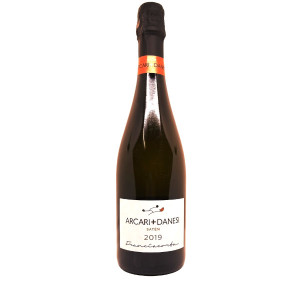
Arcari & Danesi's Franciacorta Saten is a refined and elegant expression of pure Chardonnay. It ages on the lees for a full 40 months, a process that enhances its complexity and finesse. On the nose, it opens with delicate notes of bitter almond, creating a subtle and sophisticated aromatic profile. On the palate, the wine reveals plump fruit and a fine perlage, enveloping the palate with balance and depth.
Region: Lumbardy
Grapes: Chardonnay.
Alcohol content: 12%.
Aging: 40 months on the lees.
Contains sulfites
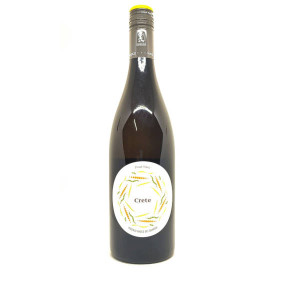
The Crete Pinot Noir Frizzante vinified as a white wine from Piccolo Bacco dei Quaroni is a fresh and immediate wine, an unusual and convivial interpretation of Pinot Noir. Vinification as a white wine yields a clear and fragrant wine, while the light effervescence makes it smooth and pleasant for any informal occasion.
Region: Lumbardy
Grapes: Pinot noir.
Alcohol content: 11%.
Aging: Permanence on noble lees for at least 6 months.
Contain sulfites

Castello di Stefanago's Spumante Metodo Classico Brut Blanc de Blancs "Ancestrale" is a sparkling wine obtained from a blend of local white grapes. The disgorgement is done manually, after 24 months of permanence on the lees, and the bottles are filled with the same wine without adding anything.The result is an elegant, fresh and lively sparkling wine, with a fine and persistent perlage, ideal to accompany aperitifs or delicate dishes, offering an authentic and refined sensory experience.
Region: Lumbardy.
Grapes: White grapes
Alcohol content: 13%.
Aging: 24 months on the lees.
Contains sulfites
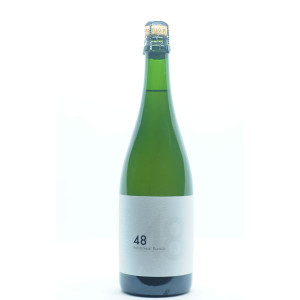
Castello di Stefanago's Spumante Metodo Classico Brut Nature 48 is produced with 100% Pinot Noir grapes. Very particular sparkling wine with golden yellow reflections, simple and intuitive that evokes the scent and flavor of ripe fruit with fragrant notes of pastry and aromatic herbs. Abundant foam, continuous, subtle, discreet, creamy perlage, with a soft and balanced taste with a gentle acidity. Ideal as an aperitif, suitable for the whole meal.ing.
Region: Lumbardy.
Grapes: Pinot noir
Alcohol content: 12,5%.
Aging: 48 months on the lees.
Contains sulfites

Arcari & Danesi's Franciacorta Dosaggio Zero is an authentic expression of pure Chardonnay, crafted exclusively from grapes sourced from prestigious vineyards in the municipalities of Capriolo and Coccaglio. Aged on the lees for 30 months, no liqueur d'expédition is added after disgorgement, preserving its purity and authenticity. The result is a Franciacorta with an intense and mineral nose, elegant notes of white flowers and fresh citrus. On the palate, it is savory, upright, and crisp, with a freshness that enhances its structure and pleasantness.
Region: Lumbardy
Grapes: Chardonnay.
Alcohol content: 12%.
Aging: 40 months on the lees.
Contains sulfites
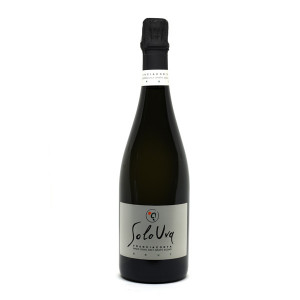
The Franciacorta Brut SoloUva is truly interesting! Aged on the lees for 18 months, it is particularly complex and captivating, with a lovely freshness and flavor. Notes of apple, peach, and sage create a pleasant harmony between fruitiness and herbaceous freshness, making it versatile for pairing with both light appetizers and more structured dishes.
Region: Lumbardy.
Grapes: Chardonnay.
Alcohol content: 12%.
Aging: 18 months on the lees in the bottle.
Contains sulfites