
 English
 Italiano

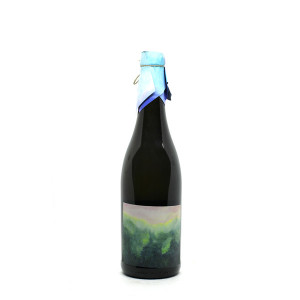
Vincolfondo by Gian Antonio Posocco is produced following the method of natural refermentation in the bottle. Fermented spontaneously, the frozen must of the same vintage is used for the second fermentation in the bottle. It offers a pleasant and flowing drink, with hints of pear, ripe apple and bread crust, harmonious, dry and with a sustained freshness.
Grapes: Local white grapes.
Alcohol content: 11%.
Aging: refermentation in the bottle
Contains suflites

Santyuste Vino de Pueblo is a tasty and lively white wine produced with Verdejo from vineyards between the ages of 140 and 200, which are found in four different sites at an altitude of about 800-850 meters, planted on calcareous and sandy soils. It is bottled without fining or filtration and without added sulfites.
Region: Spain, Penedes
Grapes: Xarel-lo.
Alcohol content: 11,5%.
Aging: 12 months in barrel.
Contains sulfites
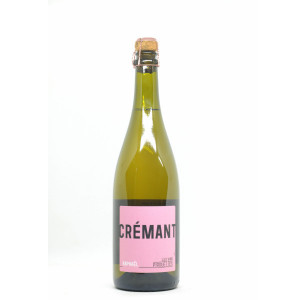
The Cremant d'Alsace de Raphael by Les Vins Pirouettes is a fresh, agile and crunchy sparkling wine based on a blend of Pinot Blanc, Auxerrois, Riesling, Pinot Grigio. Like a bite of an apple surrounded by white flowers, bread crust and minerality. Tense and thirst-quenching sip, but of great elegance.
Region: France, Alsace.
Grapes: Pinot Blanc, Auxerrois, Riesling, Pinot Grigis.
Alcohol content: 12,5%.
Aging: At least 26 months on the lees in steel.
Contains sulfites
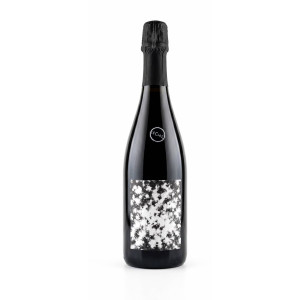

One of Savoy's most captivating Cremants. Sukhwan Ha's Chant des Flocons captivates from the first sip with its crystalline energy, ultra-fine perlage, and extraordinary mineral freshness. Made from Jacquère and Altesse grapes, it expresses all the purity of the Alpine terroirs of Chignin and Torméry. On the nose, it releases aromas of citrus, white flowers, and fresh peach, accompanied by delicate nuances of brioche from the lees aging. On the palate, it is taut, vibrant, and savory, with an irresistible mouthfeel that immediately invites a second glass.
Region: France, Savoi
Grapes: 90% Jacquère and 10% Altesse.
Alcohol content: 12%.
Aging: At least 12 months on the lees.
Contains sulfites
.

Danger 380 Volts is a sparkling white wine obtained with the method of refermentation in the bottle based on a blend of Muller Thurgau, Neuburger and Muscat. Spontaneous fermentation in wooden barrels of 600 liters for 2 months. Then it is bottled. Spontaneous refermentation in the bottle in spring with the arrival of the first hot ones. Unfiltered wine, without added sulfts.
Region: Czech Republic
Grapes: 70% Muller Thurgau, 20% Neuburger, 10% Muscat
Alcohol content: 12%.
Aging: Spontaneous refermentation in the bottle.
Contains sulfites
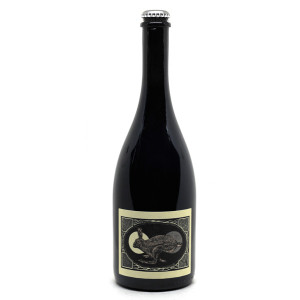
The "Stiolorosso" is an intense and persuasive sparkling red wine, creamy on the palate, which is born from the assembly of local red grapes. Only a few thousand bottles are produced. After the second fermentation in the bottle, it is left in contact with the fine lees without filtration. It comes in the glass with abundant foam, an intense taste and a long finish. Its delicate bubbles leave a pleasant sensation of freshness and flavor in the mouth. The nose expresses floral notes of rose and violet, fruity aromas of black cherry and wild berries, as well as hints of pomegranate.
Grapes: Blend of local red grapes.
Alcohol content: 12,5%.
Aging: Refermentation in the bottle.
Contains sulfites
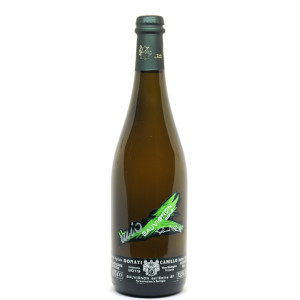
"Mio Sauvignon" is a wine with a fine and elegant bubble, and with a pleasant persistence. The nose has intense and aromatic aromas with floral notes and vegetal hints. In the mouth the pleasant freshness of the bouquet stands out, elegant and with good persistence. Typical of the grape variety.
Region: Emilia Romagna.
Grape variety: Sauvignon.
Alcohol content: 13%.
Aging: Refermentation in the bottle.
Contains sulfites
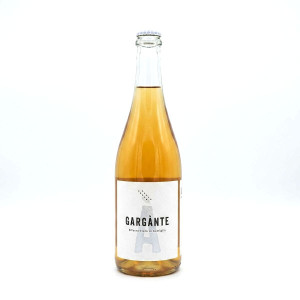
Gargante is a sparkling wine made from garganega grapes obtained by the method of fermentation in the bottle. It has a straw yellow color with a nice abundant foam. On the nose we can perceive hints of yeasts and notes of ripe and exotic fruit. The sip is satisfying, fresh and enveloping. Il Gargante is a sincere and immediate wine, which stands out for its ease of drinking.
Region: Veneto.
Grapes: Garganega.
Alcohol content: 11,5%.
Aging: Refermentation in the bottle.
Contains sulfites

The Vin de France "D Bulles" is an ancestral method obtained from a meticulous assembly of Mauzac rose and Ondenc, two natives of personality and singular expressive vocation. Second fermentation in the bottle. Dégorgement. The nose is fresh and fragrant of fresh apple, with a slight hidden spiciness. In the mouth, very bright and united flavor and acidity stand out. Remarkable sapid length, all freshness and fruity clarity
Region: France, Gaillac.
Grapes: 70% Mauzac rose, 30% Ondenc.
Alcohol content: 10,5%.
Aging: 12 months on the lees.
Contains sulfites
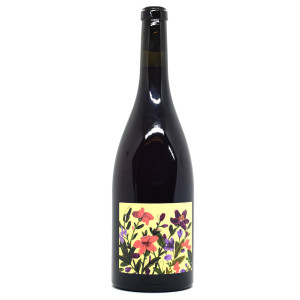
Olivia is the new creation of Bergianti, obtained from Oliva grapes, typical of the area. Wine where drinkability is very satisfying, and which, as soon as it is uncorked, is already finished.
Grapes: Oliva.
Alcohol content: 12.5%.
Aging: Refermentation in the bottle.
Contiens sulfites
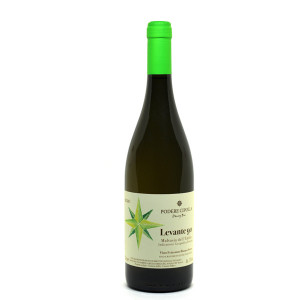
Malvasia "Levante 90" is a sparkling wine produced with the method of refermentation in bottle from Malvasia di Candia and Spergola grapes. It has a bright straw yellow color. The nose expresses the characteristic aromatic scents of Malvasia composed of yellow berry fruit, dried flowers, and honeyed notes. In the mouth it is lively and snappy, balanced by an excellent acidic freshness and characterized by a good aroma. Good length finish.
Region: Emilia Romagna.
Grapes: Malvasia di Candia and Spergola.
Alcohol content: 11,5%.
Aging: Bottle refermentation according to the ancestral method without disgorgement.
Contains sulfites
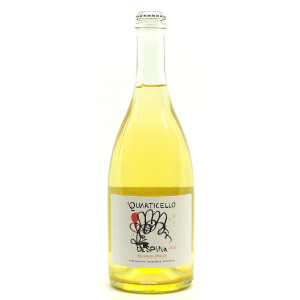
Malvasia Despina di Quarticello is a fresh and pleasant sparkling wine that comes from Malvasia Aromatica di Candia grapes. The nose recognizes pleasant aromatic and white-fleshed fruit aromas. On the sip it is very fresh and lively.
Grapes: Malvasia aromatica di candia.
Alcohol content: 11,5%.
Aging: Refermentation in the bottle.
Contains sulfites
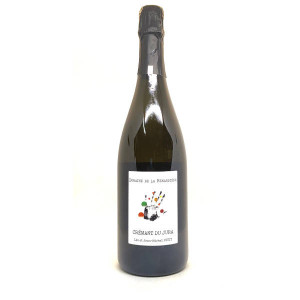
Crémant du Jura is a wine made from 100% chardonnay grapes. Second fermentation and aging on the lees for at least 16 months. Blossomed it is filled with the same wine. It offers a crystal color with light pale yellow reflections. The nose offers notes of ripe pear with important mineral notes. The palate is fresh, fat, concentrated on white fruit. The minerality in the finish accentuates the freshness.
Region: France, Jura.
Grapes: Chardonnay.
Alcohol content: 12,5%.
Aging: On the lees for at least 16 months.
Contains sulfites
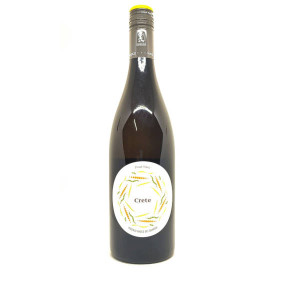
The Crete Pinot Noir Frizzante vinified as a white wine from Piccolo Bacco dei Quaroni is a fresh and immediate wine, an unusual and convivial interpretation of Pinot Noir. Vinification as a white wine yields a clear and fragrant wine, while the light effervescence makes it smooth and pleasant for any informal occasion.
Region: Lumbardy
Grapes: Pinot noir.
Alcohol content: 11%.
Aging: Permanence on noble lees for at least 6 months.
Contain sulfites

The Lambrusco di Sorbara Doc Riserva Spumante brut is a sparkling light ruby-red wine, with wide and intense aromas reminiscent of blackcurrant, sour cherry, the wild strawberry and rose hips on the palate is dry, full-bodied and strong flavor and acidity
Region: Emilia Romagna.
Grapes: Lambrusco di Sorbara.
Alcohol content: 11.5%.
Aging: Produced following the Charmat or Martinotti method, with re-fermentation in autoclave.
Contains sulfites