
 English
 Italiano

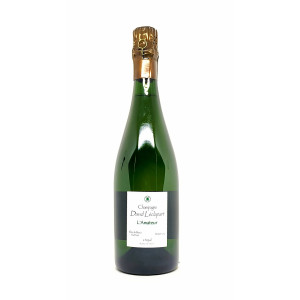
Champagne Amateur is a refined and complex Blanc de Blancs, made exclusively with Chardonnay grapes from the Premier Cru of Trépail, in the Montagne de Reims area. This champagne is distinguished by its lively freshness, minerality and impeccable elegance. On the nose, aromas of white fruit and citrus emerge, highlighting its vitality and refinement. The vinification takes place through spontaneous fermentation in stainless steel tanks, preserving the pure characteristics of the grapes and ensuring a clean and fresh aromatic profile. The product is disgorged after at least 24 months of aging on the lees, ensuring complexity and depth. Each cuvée represents an authentic expression of a single vintage, making each bottle a true story of the terroir and the vintage of origin.
Region: France, Champagne.
Grapes: Chardonnay.
Alcohol content: 13.5%.
Aging: At least 24 months on the lees.
Contains sulfites
Ask for availability

Stella del Filare's Franciacorta Rosè displays unexpected elegance with exceptional drinkability. Made from 100% Pinot Noir from a single vineyard, the bottles are disgorged after approximately 24 months of aging on the lees. The perfect wine for celebrating and clinking glasses late into the night.
Region: Lumbardy.
Grapes: Pinot noir.
Alcohol content: 12,5%.
Aging: 24 months on the lees.
Contains sulfites

The Corte Roncolato by Meggiolaro is a classic method sparkling wine made with Durella grapes. This wine is born from spontaneous fermentation, without the addition of sugars (not dosed), and is refined on the lees in the bottle for a period of 36 months, thus ensuring complexity and depth of flavor. It is an ideal product for lovers of natural and long-maturing bubbles, with an authentic and refined character.
Region: Veneto
Grapes: 95% Durella, 5% Garganega
Alcohol content: 12%.
Aging: At least 36 months on the lees
Contains sulfites

The "Ringadora" by Podere il Saliceto is a fresh, elegant and drinkable classic method based on 100% Lambrusco di Sorbara. Refermentation in the bottle with a period of at least 18 months on the yeasts. Of a captivating pink, it offers wild strawberry, delicate floral hints, a note of gunpowder and minerality. Tense, dry and tasty in the mouth.
Region: Emilia Romagna.
Grapes: Lambrusco di Sorbara.
Alcohol content: 12%.
Aging: 18 months on the lees.
Contains sulfites
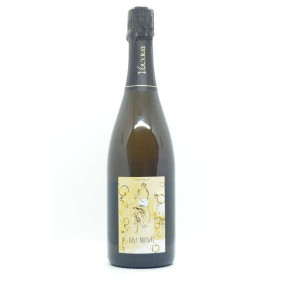
Vouvray Brut Nature by Domaine du Facteur is a classic method sparkling wine produced only with Chenin Blanc grapes which ages on the yeasts for 12 months before being bottled without dosage. Lively and very elegant, it combines the extreme freshness of the vine with its broad fruity and floral bouquet. Perfect for cheering up the aperitif.
Region: France, Loire
Grapes: Chenin Blanc
Alcohol content: 12.5%.
Aging: Refermentation in the bottle.
Contains sulfites
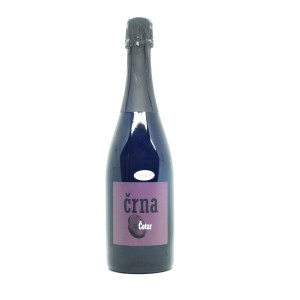
The Crna Penina Terrano Spumante by Vina Cotar is an informal and vinous sparkling red wine. Insistent but fine bubbles, intensity and finesse are its main characteristics accompanied by hints of red fruit and extreme fragrance. Freshness, flavor and persistence to spare.
Region: Slovenia
Grapes: Terrano
Alcohol content: 11,5%.
Aging: 5 years in large oak barrels.
Contains sulfites

Colbotto Bianco by Le Quattro Volte is a lively, agile and "shaggy" wine, which will give you a smooth and carefree sip. Produced with Malvasia and Mantonico grapes which are macerated on the skins for a few hours, before refermentation in the bottle.
Region: Calabria.
Grapes: Mantonico, Malvasia Bianca
Alcohol content: 10.5%
Aging: Refermentation in the bottle.
Contains sulfites
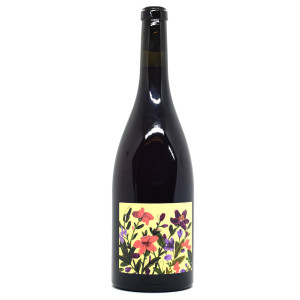
Olivia is the new creation of Bergianti, obtained from Oliva grapes, typical of the area. Wine where drinkability is very satisfying, and which, as soon as it is uncorked, is already finished.
Grapes: Oliva.
Alcohol content: 12.5%.
Aging: Refermentation in the bottle.
Contiens sulfites
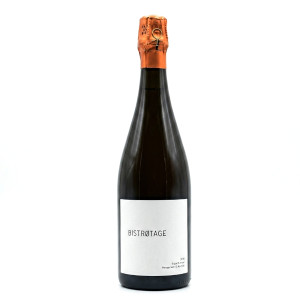

For the creation of Champagne Extra Brut "Bistrøtage" B.19, Charles bought the grapes from his mother Francoise Martinot, which is why both names are listed on the label. The B.19 cuvée is made from 100% Pinot Noir grapes from the 2017 harvest from the Chervey cru. One year of aging 50% in neutral oak barrels, and 50% in steel tanks. It is rosé Champagne with a predominantly fruity, citrus and mineral aromatic profile. The sip is fresh and dynamic, but very soft.
Region: France, Champagne.
Grapes: Pinot Noir.
Alcohol content: 12,5%.
Aging: At least 40 months on the lees
Contains sulfites
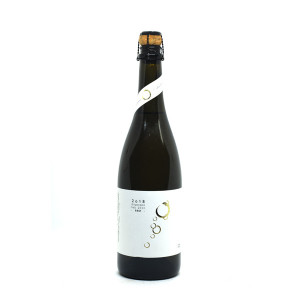
Peter Lauer produces different versions of Riesling, and in this case he offers it in an unusual effervescent guise. Its Cremant is based on riesling and ages on the lees for 20 months. It has an intense straw yellow color with a fine and persistent effervescence. The nose has a fruity aroma with notes of white peaches and apricots, combined with pleasant sensations of croissants in the background. The sip is fresh and reactive, long and supported by a beautiful acidity typical of riesling. It closes with a long and clean finish.
Region: Germany, Moselle.
Grapes: Riesling.
Alcohol content: 12.5%.
Aging: 20 months on the lees.
Contains sulfiets
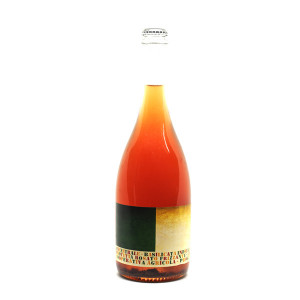
Ancestral or pet-nat method, if you prefer, it has unsuspected grit and panache. It smells of unripe raspberries and wild strawberries, the sip is dry and thirst-quenching, graceful and low in alcohol. Lively mousse, uncork with caution, to be drunk without restraint.
Region: Basilicata.
Grapes: Red grapes.
Alcohol content: 12,5%.
Aging: refermentation in the bottle.
Conatins sulfites

Tarlant's Nature Zero is a Champagne obtained from an almost equal blend of Chardonnay, Pinot Nero and Pinot Meunier. Intense and elegant, with an overwhelming freshness, it ages on the lees for almost 7 years.
Region: France, Champagne.
Grapes: 32% Chardonnay, 32% Pinot Meunier, 32% Pinot noir, 4% pinot meslier
Alcohol content: 12%.
Aging: 24 months on the less.
Contains sulfites


The Champagne Yuman premier Cru by Marguet is obtained from a Chardonnay base from the municipality of Vrigny in the Reims Mountain. Aged 9 months in oak barrels before the second fermentation of 4 years in the bottle. Not dosed to enhance the characteristics of the terroir.
Region: France, Champagne.
Grapes: Chardonnay.
Alcohol content: 13%.
Aging: At least 24 months on the lees.
Contains sulfites

A Pèl Ancestral is a wine made 100% from Xarello grapes with the method of refermentation in the bottle. Fermentation takes place with indigenous yeasts in 1000 liter terracotta amphorae with maceration on the skins. The fermentation in the bottle ends. No sugars or yeasts are added. It is marketed with cork and crown cap, in the ancestral style. A full and balanced wine with aromas of ripe white fruit, white flowers and citrus. An elegant salty touch gives it a long and persistent finish.
Region: Spain, Penedes.
Grapes: Xarelho.
Alcohol content: 12.5%.
Aging: Refermentation in the bottle.
Contains sulfites

Amaltea is a Spanish sparkling wine taglieten like a lama, obtained from indigenous varieties of Penedès: 60% Xarello, 30% Macabeu and 10% Parellada. It is an excellent aperitif, but also a refreshing companion to any meal. "Amalthea" is the name of the goat on the label which reflects the philosophy of Loxre in fact, according to Greek mythology, Amalthea raised the god Zeus with her milk and her horn plays an important role in biodynamic viticulture.
Region: Spain, Penedes.
Grapes: 60% Xarello, 30% Macabeu and 10% Parellada.
Alcohol content: 12.5%.
Aging: At least 18 months on the lees.
Contains sulfites