
 English
 Italiano


The Sèt and the Mèz appear to be a light colored cerasuolo with a beautiful foam. A nose bouquet is a bouquet of roses, delicate but delicious, and fruity notes. At the sip it expresses freshness accompanied by compact and material bubbles.
Region: Emilia Romagna.
Grapes: Fortana
Alcohol content: 12,5%.
Aging: Refermentation in the bottle.
Contains suflites
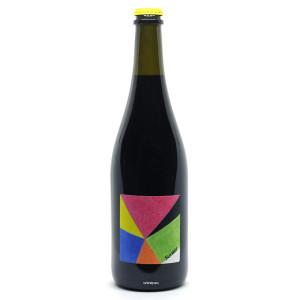
"Surlie" by Mirko Mriotti is a lively and dynamic sparkling red wine that comes from grapes of Fortana in purity. Purplish red color, slightly turbid with a good effervescence. On the nose the aromas are intense and fine with floral and fruity scents. In the mouth it is dry, warm, fairly soft but fresh and tasty, with a bitter finish.
Region: Emilia Romagna.
Grapes: Fortana.
Alcohol content: 12.5%.
Aging: Refermentation in the bottle.
Contains sulfites

The sparkling wine "Sui Lieviti" by Orsi Vigneto is a wine made with the traditional second fermentation in the bottle, a common practice in Emilia Romagna. On the nose the olfactory notes are floral and citrus. The sip is delicate, with good freshness and flavor. The finish Closing is refreshing with a slight bitter touch typical of the variety. A very refreshing wine, structured with citrus aromas..
Region: Emilia Romagna.
Grapes: White grapes.
Alcohol content: 11,5%.
Aging: Refermentation in the bottle.
Contains sulfites
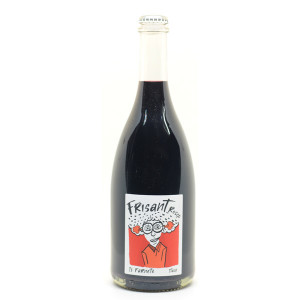
Frisant Rosso del Farneto is a sparkling wine that stands out for its fresh and lively characteristics. Produced primarily from red grapes, it reflects the winemaking traditions of Emilia-Romagna and offers an engaging sensory experience. Bottle refermentation is a method that gives the wine its natural bubbles, making it particularly lively and light. The result is a juicy and crunchy wine, with fruity and floral aromas, which lend themselves well to being paired with a variety of dishes, from cured meats to fresh cheeses, up to meat and pasta dishes. Its versatility makes it ideal for any occasion, from celebrations to informal dinners. If you are looking for a wine that can cheer up your palate and accompany convivial moments, Frisant Rosso del Farneto is certainly an excellent choice.
Regione: Emilia Romagna
Grapes: Red white
Alcohol content: 11%.
Aging: Refermentation in the bottle
Contains sulfites
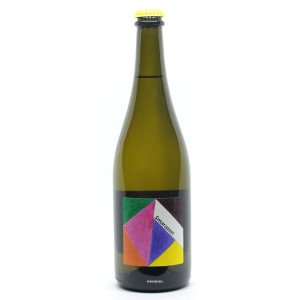
Smarazed is a sparkling wine much appreciated for its freshness and flavor, which comes from a blend of Trebbiano Romagnolo and Malvasia di Candia. It has a slightly turbid straw yellow color with a good effervescence. On the nose intense and fine aromas of floral and fruity scents are released. In the mouth it is dry, warm, fairly soft but fresh and tasty, with a good finish.
Region: Emilia Romagna.
Grapes: 70% Trebbiano Romagnolo, 30% Malvasia di Candia.
Alcohol content: 12%.
Aging: Refermentation in the bottle.
Contains sulfites

“Uva d'oro” by Mirko Mariotti is a sparkling wine made from Fortana grapes obtained with long re-fermentation in an autoclave. A straight and dynamic wine on the sip, a bubble that envelops the palate, where aromas of small red fruits such as blackberry and strawberry stand out. A finish of good flavor that attracts another taste.
Region: Emilia Romagna.
Grapes: Fortana
Alcohol content: 11,5%.
Aging: Refermentation in the autoclave.
Contains suflites
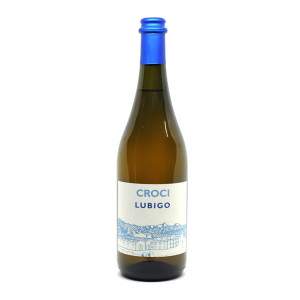
Lubigo is a fresh sparkling wine and a drinkable wine based on excellent horticultural grapes with the method of fermentation in the bottle. It is delicate, fine and pleasantly acid. Closes with the typical almond finish. A pleasant wine of excellent drinkability.
Grapes: Local white grapes.
Alcohol content: 11,5%.
Aging: Refermentation in the bottle.
Contains sulfites
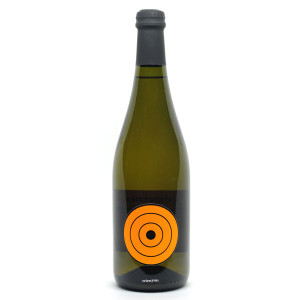
Mirko Mariotti's “Centro” Orange Label is a refermented wine in a bottle that comes from Garganega grapes macerated on their skins for 10 days. A wine that expresses freshness accompanied by compact and material bubbles.
Region: Emilia Romagna.
Grapes: Garganega
Alcohol content: 11.5%.
Aging: Refermentation in the bottle.
Contains sulfites
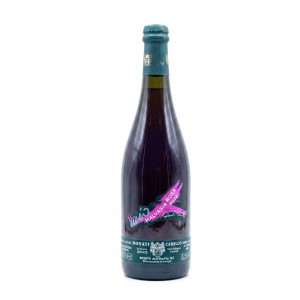
Malvasia Rosa is the wine that Camillo dedicated to his mother Rosa, because she liked Malvasia very much. It is obtained by adding 5% of a red grape variety to Malvasia. The nose reveals fruity aromas of peach and floral with violet in evidence. On the palate it is full-bodied, endowed with great freshness with a fine bubble that invades the whole palate.
Region: Emilia Romagna.
Grape variety: Malvasia Rosa.
Alcohol content: 13%.
Aging: Refermentation in the bottle.
Contains sulfites
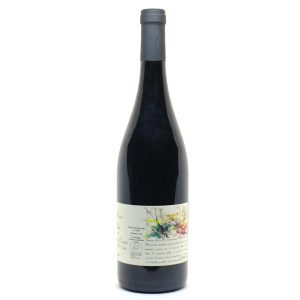
Cinquecampi Rosso is a sparkling red wine obtained with the method of refermentation in the bottle from a blend of Lambrusco Grasparossa, Malbo Gentile, Marzemino. On the nose hints of red fruits, berries, musk, and undergrowth. In the mouth it has a marked acidity, quite tannic and structured.
Region: Emilia Romagna.
Grapes: Lambrusco grasparossa, malbo gentile and marzemino
Alcohol content: 13%.
Aging: refermentation in the bottle.
Contains sulfites

Mirko Mariotti's Turnè is a sparkling wine obtained from refermentation in the bottle without "disgorgement" based on Trebbiano and Grecheto grapes. "Sur lie" wine, to be served clear or cloudy depending on personal tastes. It goes well with appetizers of Emilian cured meats or in company with friends.
Region: Emilia Romagna.
Grapes: Trebbiano and Grechetto.
Alcohol content: 12.5%.
Aging: Refermentation in the bottle.
Contains sulfites

"Libeccio 225" by Podere Cipolla is a refermented in bottle made from 100% Lambrusco Grasparossa grapes. The lively and cheerful foam, the scents of fruity, floral and yeasty fragrances combined with a lively, refreshing and delicious sip make this bottle very gastronomic and irresistibly satisfying
Region: Emilia Romagna.
Grapes: Lambrusco Grasparossa.
Alcohol content: 11,5%.
Aging: Bottle fermentation according to the ancestral method without disgorgement.
Contains sulfites

The Lambrusco by Camillo Donati is presented in a ruby red glass with violet reflections. The nose is full of aromas of red fruit and vinous notes. On the palate it is full-bodied, with a strong, harmonious personality, with excellent acidity and a light tannic texture that is perfect to pair with traditional dishes. A glass of "My Lambrusco" is you are immediately there to look for ano
Region: Emilia Romagna.
Grape variety: Lambrusco Maestri.
Alcohol content: 12,5%.
Aging: Refermentation in the bottle.
Contains sulfites
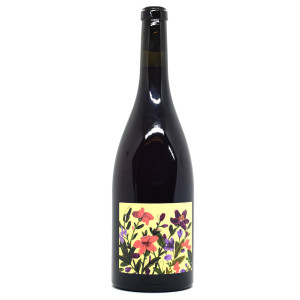
Olivia is the new creation of Bergianti, obtained from Oliva grapes, typical of the area. Wine where drinkability is very satisfying, and which, as soon as it is uncorked, is already finished.
Grapes: Oliva.
Alcohol content: 12.5%.
Aging: Refermentation in the bottle.
Contiens sulfites

The Saldalama by Podere Sotto il Noce is a juicy and drinkable sparkling wine made from red grapes produced with the method of refermentation in the bottle. After the manual harvest of the grapes, fermentation takes place spontaneously in concrete tanks, with a second refermentation in the bottle. A fresh and taut wine, pleasant and refreshing, with hints of wild strawberries and bread crust.
Denomination: Sparkling wine
Grapes: Local red grapes.
Alcohol content: 12,5%.
Aging: Refermentation in the bottle.
Contains sulfites