
 English
 Italiano

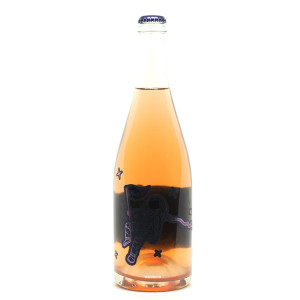
Man on Mars by Tenuta Demaio is a 100% Nero di troia wine refermented in the bottle using the same must as the base. The yeasts present in the bottle guarantee continuous refinement until it is drunk. We recommend drinking it cloudy, Shake and Fun!
Region: Puglia.
Grapes: Nero di troia.
Alcohol content: 11.5%.
Aging: Refermentation in the bottle.
Contains sulfites

“Uva d'oro” by Mirko Mariotti is a sparkling wine made from Fortana grapes obtained with long re-fermentation in an autoclave. A straight and dynamic wine on the sip, a bubble that envelops the palate, where aromas of small red fruits such as blackberry and strawberry stand out. A finish of good flavor that attracts another taste.
Region: Emilia Romagna.
Grapes: Fortana
Alcohol content: 11,5%.
Aging: Refermentation in the autoclave.
Contains suflites

The sparkling wine "Sui Lieviti" by Orsi Vigneto is a wine made with the traditional second fermentation in the bottle, a common practice in Emilia Romagna. On the nose the olfactory notes are floral and citrus. The sip is delicate, with good freshness and flavor. The finish Closing is refreshing with a slight bitter touch typical of the variety. A very refreshing wine, structured with citrus aromas..
Region: Emilia Romagna.
Grapes: White grapes.
Alcohol content: 11,5%.
Aging: Refermentation in the bottle.
Contains sulfites
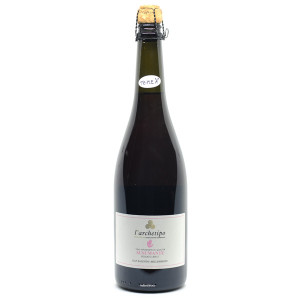
The Spumante Rosato Susumaniello is produced with the Susumaniello vine, a native Apulian variety in which L’Archetipo strongly believes. Its name recalls the name of the "donkey" in the Apulian dialect, indicating the high productivity of the plant loaded with clusters "like a donkey. The sparkling wine is vinified with the technique of refermentation in autoclave. A pleasant and fragrant sparkling wine, with a strong territorial adherence
Region: Puglia.
Grapes: Susumaniello.
Alcohol content: 11.5%.
Aging: Refermentation in autoclave.
Contains sulfites
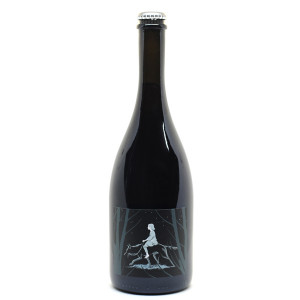
Bergianti's "San Vincent" is a wine made from Lambrusco di Sorbara grapes produced with the method of refermentation in the bottle. It was born in memory of a trip to France, to the Champagne lands, during the festivities dedicated to the patron saint of vineyards and winemakers. Refine two years on the lees. A fresh and taut wine, pleasant and refreshing, with hints of wild strawberries and bread crust.
Region: Emilia Romagna
Grapes: Lambrusco di Sorbara
Alcohol content: 11.5%.
Aging: Refermentation in the bottle.
Contains sulfites

Santyuste Vino de Pueblo is a tasty and lively white wine produced with Verdejo from vineyards between the ages of 140 and 200, which are found in four different sites at an altitude of about 800-850 meters, planted on calcareous and sandy soils. It is bottled without fining or filtration and without added sulfites.
Region: Spain, Penedes
Grapes: Xarel-lo.
Alcohol content: 11,5%.
Aging: 12 months in barrel.
Contains sulfites
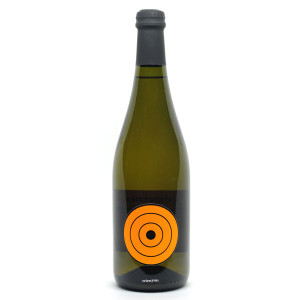
Mirko Mariotti's “Centro” Orange Label is a refermented wine in a bottle that comes from Garganega grapes macerated on their skins for 10 days. A wine that expresses freshness accompanied by compact and material bubbles.
Region: Emilia Romagna.
Grapes: Garganega
Alcohol content: 11.5%.
Aging: Refermentation in the bottle.
Contains sulfites

"Libeccio 225" by Podere Cipolla is a refermented in bottle made from 100% Lambrusco Grasparossa grapes. The lively and cheerful foam, the scents of fruity, floral and yeasty fragrances combined with a lively, refreshing and delicious sip make this bottle very gastronomic and irresistibly satisfying
Region: Emilia Romagna.
Grapes: Lambrusco Grasparossa.
Alcohol content: 11,5%.
Aging: Bottle fermentation according to the ancestral method without disgorgement.
Contains sulfites
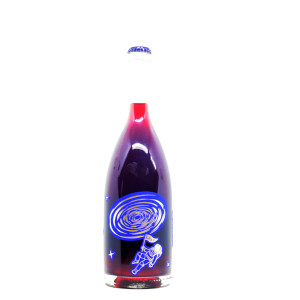
Black Hole by Tenuta Demaio is made from Primitivo grapes. Refermented in the bottle using the same must as the base. The yeasts present in the bottle guarantee continuous refinement until it is drunk. We recommend drinking it cloudy, it is a delight for both the nose and the palate.
Region: Puglia.
Grapes:Primitivo
Alcohol content: 11.5%.
Aging: Refermentation in the bottle.
Contains sulfites
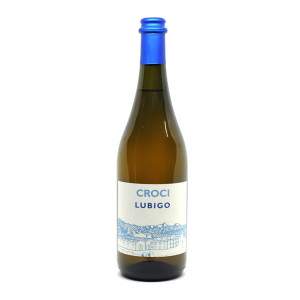
Lubigo is a fresh sparkling wine and a drinkable wine based on excellent horticultural grapes with the method of fermentation in the bottle. It is delicate, fine and pleasantly acid. Closes with the typical almond finish. A pleasant wine of excellent drinkability.
Grapes: Local white grapes.
Alcohol content: 11,5%.
Aging: Refermentation in the bottle.
Contains sulfites

Piccolo Bacco dei Quaroni's PBQ Cruasé is a fresh, pleasant and structured rosé sparkling wine, made from 100% Pinot Noir grapes. It ages for at least 24 months on the lees, and after disgorgement, no liqueur d'expédition is added. Of a color tending towards antique pink, it opens with floral aromas and persistent notes of small ripe fruits and crusty bread. On the palate it is pleasant for its freshness and cleanliness; in a complex of good sapidity it convinces with elegance.
Region: Lumbardy
Grapes: Pinot noir.
Alcohol content: 11.5%.
Aging: Permanence on noble lees for at least 24 months.
Contain sulfites
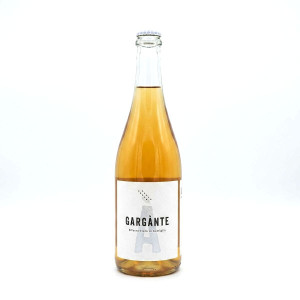
Gargante is a sparkling wine made from garganega grapes obtained by the method of fermentation in the bottle. It has a straw yellow color with a nice abundant foam. On the nose we can perceive hints of yeasts and notes of ripe and exotic fruit. The sip is satisfying, fresh and enveloping. Il Gargante is a sincere and immediate wine, which stands out for its ease of drinking.
Region: Veneto.
Grapes: Garganega.
Alcohol content: 11,5%.
Aging: Refermentation in the bottle.
Contains sulfites
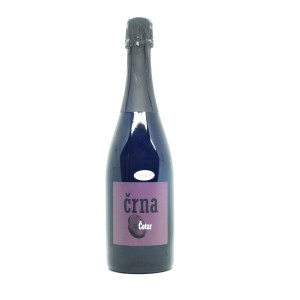
The Crna Penina Terrano Spumante by Vina Cotar is an informal and vinous sparkling red wine. Insistent but fine bubbles, intensity and finesse are its main characteristics accompanied by hints of red fruit and extreme fragrance. Freshness, flavor and persistence to spare.
Region: Slovenia
Grapes: Terrano
Alcohol content: 11,5%.
Aging: 5 years in large oak barrels.
Contains sulfites

Ancarani's "Indigenous" is a sparkling wine that was born with the method of refermentation in the bottle from Trebbiano grapes. It is a lively, lively and strong personality wine, straw yellow in color with a fine and persistent foam. The nose is expressed with hints of yellow fruit, field herbs, iodine notes and bread crust. On the palate it is lively and energetic, fresh and with good flavor. Indigenous is able to give an energetic and refreshing taste.
Region: Emilia Romagna.
Grapes: Trebbiano romagnolo.
Alcohol content: 11.5%.
Aging: Refermentation in the bottle
Contains sulfites

The "Principiante" of Santa Colomba is a sparkling wine obtained with the method of refermentation in bottle from Garganega grapes. Produced in 3,000 bottles a year, it is straw yellow in color, slightly opalescent with fine perlage. The nose is expressed with hints of white plum, grapefruit and pineapple and notes of broom. On the palate it is very fresh, sapid and well balanced.
Region: Veneto.
Grapes: Garganega.
Alcohol content: 11.5%.
Aging: Refermentation in the bottle.
Contains sulfites