
 English
 Italiano


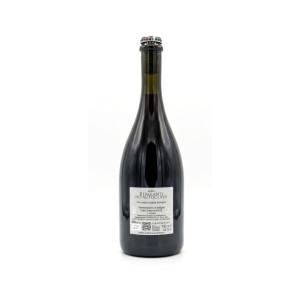
Bergianti's "No Autoclave" is a wine that screams at the top of its lungs the tradition of refermented in Emilia, which is not an autoclave. It comes from red grapes but inside there are also white ones. After the manual harvest of the grapes, fermentation occurs spontaneously in concrete tanks, with a second refermentation in the bottle. No clarification or filtration and negligible addition of sulfur before bottling. Refine for two years on the lees. A fresh and taut wine, pleasant and refreshing, with hints of wild strawberries and bread crust.
Region: Emilia Romagna
Grapes: Blend of white and red grapes.
Alcohol content: 12%.
Aging: Refermentation in the bottle.
Contains sulfites

Bergianti's "Per Franco" is a wine made from red grapes produced with the method of refermentation in the bottle. It was born in memory of Gianfranco Bergianti's gatherings in the village clubs. After the manual harvesting of the grapes, fermentation occurs spontaneously in concrete tanks, with a second refermentation in the bottle. The Perfranco is a fresh and taut wine, pleasant and refreshing, with hints of wild strawberries and bread crust.
Region: Emilia Romagna
Grapes: Red grapes
Alcohol content: 12%
Aging: Refermentation in the bottle.
Contiens sulfites

The Rosso Frizzante Iena by Franchina and Giarone is a dry wine with a biting freshness. The aromas on the nose recall violets and some red fruits, such as cherries and plums. In the mouth it is fragrant, straightforward and drinkable, pleasantly dried by a subtle tannic texture which makes it ideal for an aperitif with friends, or perhaps for a fish grill with relatives, ideal for a thousand occasions, not to be missed!
Region: Emilia Romagna.
Grapes: Red grapes
Alcohol content: 12%.
Aging: Refermentation int he bottle.
Contains sulfites

With this Lambrusco we enter the world of Stefano Pescarmona, where wine vibrates, sings and laughs! The pure Lambrusco Maestri gives us black fruit pulp, aromatic herbs, undergrowth and a slight final astringency. Excellent for an aperitif or for more complex combinations, a wine with a very fresh taste, character and no frills.
Region: Emilia Romagna.
Grapes: Lambrusco Maestri.
Alcohol content: 12%.
Aging: Refermentation in the bottle.
Contains sulfites

Albone by Podere Saliceto is a sparkling wine obtained only from Lambrusco Salamino grapes. Ruby red color with purple reflections, creamy and consistent foam, blackberry and blueberry nose. In combination with fatty and structured dishes, roasted and braised, excellent with pizza.
Region: Emilia Romagna.
Grapes: Lambrusco salamino.
Alcohol content: 12%.
Aging: Refermentation with the Charmat method
Contains sulfites

The Vino Spumante di Qualità Metodo Classico Brut Rosè by VentiVenti is an excellent expression of the Sorbara terroir, obtained from 100% Lambrusco di Sorbara grapes. This sparkling wine stands out for its intense and refined aromas of red fruits and rose petals, enriched by a delicate complexity deriving from the sparkling process. On the palate, it is enveloping and tasty, with an incisive minerality balanced by a soft creaminess that enhances its structure. Its fine and persistent perlage highlights the characteristic freshness of Sorbara, making it ideal to pair with delicate dishes and seafood, such as raw and local dishes. A versatile and refined wine, perfect to accompany special and convivial moments.
Region: Emilia Romagna.
Grapes: Lambrusco di Sorbara
Alcohol content: 12%.
Aging: Refermentation int he bottle.
Contains sulfites

The "Ringadora" by Podere il Saliceto is a fresh, elegant and drinkable classic method based on 100% Lambrusco di Sorbara. Refermentation in the bottle with a period of at least 18 months on the yeasts. Of a captivating pink, it offers wild strawberry, delicate floral hints, a note of gunpowder and minerality. Tense, dry and tasty in the mouth.
Region: Emilia Romagna.
Grapes: Lambrusco di Sorbara.
Alcohol content: 12%.
Aging: 18 months on the lees.
Contains sulfites
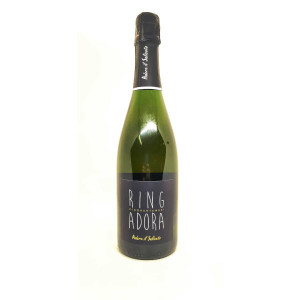
The “Ringadora” Cinquantamesi by Podere il Saliceto is a Metodo Classico Rosé Brut made from 100% Lambrusco di Sorbara DOP, offering an authentic and refined expression of this native Emilia variety. Bottle-fermented and aged on its lees for at least 50 months, it stands out for its freshness, elegance, and drinkability. In the glass, it shows an appealing pink hue. The nose reveals wild strawberry, delicate floral hints, a subtle gunpowder note, and vibrant minerality. On the palate, it is tense, dry, and savory, with a fine, well-integrated mousse supporting a precise, dynamic, and beautifully balanced finish.
Region: Emilia Romagna.
Grapes: Lambrusco di Sorbara.
Alcohol content: 12%.
Aging: 50 months on the lees.
Contains sulfites