5% OFF WITH THE WELCOME CODE

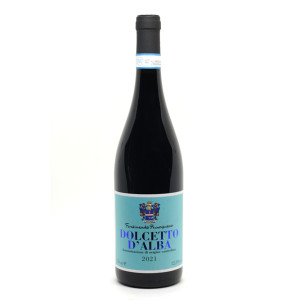
DOLCETTO UNA TRADIZIONE PIEMONTESE

This important Piedmontese grape has no news until the end of the eighteenth century, when in the Count of Nuvolone's statement it is referred to as Dolcetto, and as production areas mention is made of Acqui and Alessandria and not the Langhe, a zone that is considered today as the most important for the production of this grape. The name Dolcetto seems to derive from the French dousette, due to the sweetness of the berry. According to some, Dolcetto grapes would originate in France, but the theory that it originated in Monferrato is more truthful. From here the Dolcetto has spread throughout the Monferrato, in Savoy, where it is known as Douce noire, in Liguria, where it is called Ormeasco, in Oltrepò Pavese, up to Piacentino and Milanese. Dolcetto is medium sized bunch, medium spatula, while the acorn is of medium size, round shape, pruinose peel and bluish black color. It comes in many denominations including 3 DOCGs and 4 DOCs. In the Langhe area we find the 2 DOCG, Dolcetto di Diano d'Alba and Dogliani, where the highest expression of this vine is recorded with a powerful, structured, less fruity and spicy product suitable for aging, and DOC Dolcetto d 'Alba and Langhe Monregalesi. In Asturian we find the DOC Dolcetto d'Asti, while in Piedmont Monferrato there are the DCOG Dolcetto of Ovada Superiore and the DOC Dolcetto d'Acqui and Ovada. langhe Monregalesi. Dolcetto has a ruby ​​red color with characteristic and pleasing scents that recall red berry fruit. In the mouth it is warm, dry, harmonious with moderate acidity. To serve around 16/18 ° in tulip goblets, it goes well all the meal, appetizers of cold meats, roasts, white meats and semi-hard cheeses. Among our proposals are the Druid by Andrea Tirelli and the Nibio of Cascina degli Ulivi, both produced with a local variety of Dolcetto called Nibio.

Compare (0 items) My Wishlist (0 items) Contact us
Please login first
Please login first

Your cart

There are no more items in your cart