
 English
 Italiano

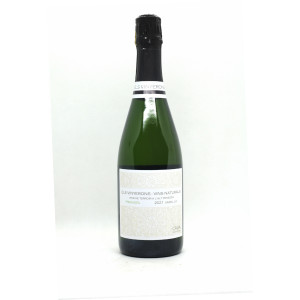
Santyuste Vino de Pueblo is a tasty and lively white wine produced with Verdejo from vineyards between the ages of 140 and 200, which are found in four different sites at an altitude of about 800-850 meters, planted on calcareous and sandy soils. It is bottled without fining or filtration and without added sulfites.
Region: Spain, Penedes
Grapes: Xarel-lo.
Alcohol content: 11,5%.
Aging: 12 months in barrel.
Contains sulfites
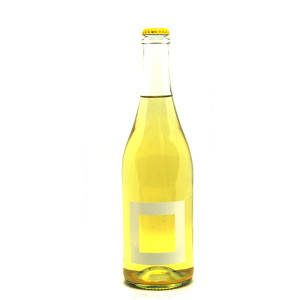
Mirko Mariotti's Treb is a fresh and savory wine obtained from Trebbiano grapes with the method of refermentation in the bottle. The grapes come from vines over 100 years old which are located just 300 meters from the Adriatic Sea. Spontaneous fermentation with short maceration time on the skins and bottling for refermentation without adding anything. Never foul. Refinement of 4 months in the bottle before release. Very treb, very delicious. Enjoy the sun with a light meal and lots of positive people.
Region: Emilia Romagna.
Grapes: Trebbiano.
Alcohol content: 12%.
Aging: Refermentation in the bottle.
Contains sulfites
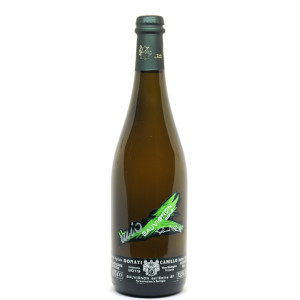
"Mio Sauvignon" is a wine with a fine and elegant bubble, and with a pleasant persistence. The nose has intense and aromatic aromas with floral notes and vegetal hints. In the mouth the pleasant freshness of the bouquet stands out, elegant and with good persistence. Typical of the grape variety.
Region: Emilia Romagna.
Grape variety: Sauvignon.
Alcohol content: 13%.
Aging: Refermentation in the bottle.
Contains sulfites

Koi's "Lambroosklyn" is a sparkling wine made from Lambrusco Grasparossa refermented in the bottle. A wine full of fruit scents with a fresh and gastronomic drink. Excellent paired with traditional Modenese dishes such as cured meats, fried dumplings and tigelle..
Region: Emilia Romagna.
Grapes: Lambrusco grasparossa
Alcohol content: 12.5%.
Aging: Refermentation in the bottle.
Contains sulfites

God Save the Wine Rosato is a sparkling wine that stands out for its freshness and lightness. The combination of white and red grapes offers a delicate and fruity aromatic profile, making it perfect for any informal occasion. The refermentation in the bottle gives the wine a pleasant effervescence, which makes it an excellent choice for an aperitif, but it also goes well with more substantial dishes such as pizza. Its lively character and ease of drinking make it an ideal companion for convivial and carefree moments. To try in good company!
Regione: Emilia Romagna
Grapes: Blend of white and red grapes.
Alcohol content: 12%.
Aging: Refermentation in the bottle
Contains sulfites
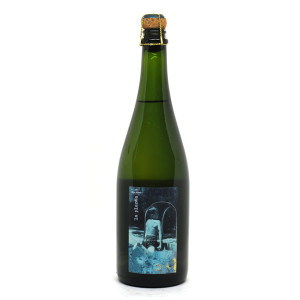
La Planta di Mas Gomà is a sparkling wine obtained from a blend of Maccabeu and Xarel·lo, with the method of refermentation in the bottle. Refines for 24 months on the lees before being disgorged. An ample and balanced wine with aromas of ripe white fruit, white flowers, citrus fruits, and intense notes of crusty bread. An elegant salty touch gives it a long and persistent finish.
Region: Spain, Penedes.
Grapes: 60% Maccabeu, 40% Xarel·lo.
Alcohol content: 12%.
Aging: Refermentation in the bottle.
Contains sulfites
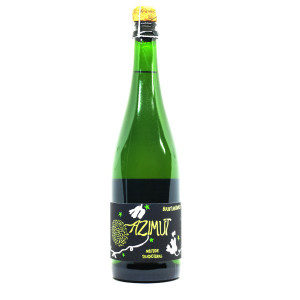
Azimut Cava Blanc Brut Nature by Suriol is a sparkling wine resulting from an assembly of classic native varieties used for Cava: Macabeo, Xarel-lo and Parellada. It ages in the bottle for about 9 months before being disgorged. Zero dosage. Azimut is a complex and highly drinkable wine. It is an excellent aperitif, but also a refreshing companion throughout the meal.
Region: Spain, Penedes.
Grapes: Xarello, Macabeu and Parellada.
Alcohol content: 11.5%.
Aging: At least 9 months on the lees.
Contains sulfites
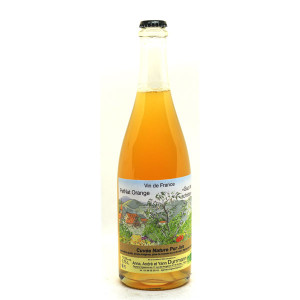
Gaz de Schistes by Domaine Durrman is an aromatic pet nat with citrus scents and a vibrant acidity. The name derives from the schist slopes from which the grapes come. The Pinot Blanc is macerated for three weeks before being blended with Pinot Gris and Riesling, which continue fermentation together before finishing fermentation in the bottle. Lively and spirited, it amuses with every sip.
Region: France, Alsace.
Grapes: 50% Pinot Blanc, 20% Riesling, 30%, Pinot Gris.
Alcohol content: 11.9%.
Aging: Refermentation in the bottle.
Contains sulfites

The Lambrusco di Sorbara Doc Riserva Spumante brut is a sparkling light ruby-red wine, with wide and intense aromas reminiscent of blackcurrant, sour cherry, the wild strawberry and rose hips on the palate is dry, full-bodied and strong flavor and acidity
Region: Emilia Romagna.
Grapes: Lambrusco di Sorbara.
Alcohol content: 11.5%.
Aging: Produced following the Charmat or Martinotti method, with re-fermentation in autoclave.
Contains sulfites

Sieman's "Chameleon" is a sparkling wine refermented in the bottle obtained from Garganega, Durela and Bronner. It's called "Chameleon" because every year it changes its skin, in fact it can be done with different grapes. It has an intense and turbid straw yellow color with a lively foam. On the nose The aromas are reminiscent of bread crust, yellow fruit and floral. The sip is fresh, fragrant, with an agile and very fresh sip.
Region: Veneto.
Grapes: Garganega, Durela and Bronner
Alcohol content: 11%.
Aging: Bottle refermentation according to the ancestral method.
Contains sulfites

Bergianti's "Per Franco" is a wine made from Lambrusco Salamino grapes produced with the method of refermentation in the bottle. It was born in memory of Gianfranco Bergianti's gatherings in the village clubs. After the manual harvesting of the grapes, fermentation occurs spontaneously in concrete tanks, with a second refermentation in the bottle. The Perfranco is a fresh and taut wine, pleasant and refreshing, with hints of wild strawberries and bread crust.
Region: Emilia Romagna
Grapes: Lambrusco Salamino
Alcohol content: 12%
Aging: Refermentation in the bottle.
Contiens sulfites

The "Sottobosco" is a sparkling red wine obtained from a blend of the rare lambrusco di montericco together with malbo gentile, lambrusco grasparossa and sgavetta. It has a ruby red color with a nice persistent foam. The nose is rich in hints of red fruits. On the palate it is sapid, fresh, with lively tannins.
Region: Emilia Romagna.
Grape variety: Lambrusco di montericco, malbo gentile, lambrusco grasparossa and sgavetta.
Alcohol content: 11,5%.
Aging: Refermentation in the bottle.
Contains sulfites

Malvasia di Camillo Donati is straw-yellow in color. On the nose the aromas are intense and aromatic. At the sip denotes good structure, harmonious taste, rich and full, supported by a good vein of freshness. It closes long with a slight bitter aftertaste typical of the vine.
Region: Emilia Romagna.
Grape variety: Malvasia di Candia.
Alcohol content: 12.5%.
Aging: refermentation in the bottle.
Contains sulfites

Domaine Eric Thill's Crémant du Jura AOC Brut Nature Cuvée Adrian is an excellent expression of the Jura terroir. Made with Chardonnay and Poulsard grapes from 50-year-old vineyards facing south on clay-limestone soils. After two years of aging on the lees, it is disgorged without the addition of dosage, thus maintaining its naturalness and freshness. The result is a wine of great complexity, characterized by a vibrant freshness and a long, savoury finish, ideal for those seeking an authentic and refined sparkling experience.
Region: France, jura.
Grapes: Chardonnay and Poulsard
Alcohol content: 12,5%.
Aging: 18 months on the lees.
Contains sulfites
.

The Agricolo Ancestrale is the result of Maurizio and Fabiola's passion for their little house in the mountains at 420 meters in the middle of the Belluno woods, in an atmosphere of nature, biodiversity and transparency. Casera Frontin is composed of a blend of local white grapes grown on soil with the presence of rock and clay bottom, spontaneous fermentation of the grapes and maceration with their skins for 3 weeks and then refinement in terracotta amphorae. The result is a Brut Nature sparkling wine that expresses the characteristics of this place in delicate floral and fruity notes, which unfold on the palate in fresh and mineral sensations.
Grapes: Local white grapes.
Alcohol content: 11%.
Aging: refermentation in the bottle.
Contains sulfites