
 English
 Italiano


Weiss by Glow Glow Wines is a white wine produced in the small Nahe region of Germany. It's made from Bacchus, Müller-Thurgau, and Scheurebe grapes, which blend in perfect balance, creating a light, lively, and energetic white wine.
Region: German, Nahe
Grapes: Scheurebe, Bacchus, Müller-Thurgau
Alcohol content: 11,5%.
Aging: Some months in steel.
Contains sulfites

Julian Haart's Mosel Riesling is certainly a wine of great character and quality. The freshness and sharp acidity make this Riesling particularly lively and suitable for accompanying fish, seafood or vegetable-based dishes. The practice of whole bunch fermentation, together with aging in wooden fuder, contributes to giving complexity and depth to the wine, while maintaining its typical freshness of Riesling. Furthermore, although limited production may be a shame for enthusiasts, it is often an indication of craftsmanship and particular attention to quality.
Region: German, Mosel
Grapes: Riesling.
Alcohol content: 11.5%.
Aging: Some months in wooden fuder.
Contains sulfites

Markus Scholtes' Riesling Mosel is a wine of great freshness and minerality. Aged in steel for 3-6 months on the fine lees. The "welcome" Riesling by Markus Scholtes, an excellent start for those who want to discover the world of Riesling.
Region: German, Mosel.
Grapes: Rhine Riesling
Alcohol content: 7.5%.
Aging: Some months in steel.
Contains sulfites

The Piesporter Goldtröpfchen Kabinett by Julian Haart is a taut white, with sharp acidity, crisp and consistent structure. The grapes come from old vineyards located on the steep “Goldtröpfchen” slope, already considered in legendary times one of the best terroirs of the Moselle. Whole bunch fermentation and aging in traditional 1000 L wooden fuders. It's a shame about the very limited production because its wines are a real delight.
Region: German, Mosel
Grapes: Riesling.
Alcohol content: 8%.
Aging: Some months in wooden fuder.
Contains sulfites

Julian Haart's Piesporter Riesling is a taut white, with sharp acidity, crunchy and consistent structure. The grapes come from old vines grown according to organic farming, which are located on soils rich in slate. Whole cluster fermentation and aging in traditional 1000 L wooden fuder. Too bad for the very limited production because its wines are a real delight.
Region: German, Mosel
Grapes: Riesling.
Alcohol content: 12%.
Aging: Some months in wooden fuder.
Contains sulfites

Molitor's Riesling Alte Reben Trocken is a white wine obtained from pure Riesling grapes. This is the oldest vintage available. The scent is buttery and tropical, leeches and passion fruit on chalk and burnt rubber. In the glass it evolves into a disarming complexity, surprising freshness on the palate. Peach and lemon on the nose, flint. Burnt rubber now looks like oil. Long and austere, fresh and drinkable. A great emotion.
Region: Germany, Moselle.
Grapes: Riesling.
Alcohol content: 12,5%.
Aging: Some motnhs in steel.
Contains sulfites
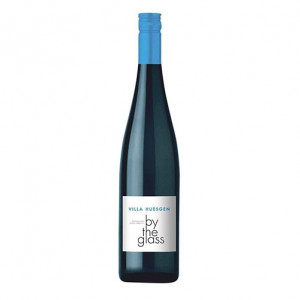
By The Glass is a modern Riesling, simple and captivating to be enjoyed on any occasion. The Trocken diction indicates that we are dealing with a wine with a dry taste, with no more than 9gr / l of sugar. Vinification and aging in steel tanks. On the nose the bouquet is fine and fruity, with hints of peach and apricot, in the background mineral notes. In the mouth it is fine, with excellent freshness and slight sapidity, with a good persistent finish.
Region: German, Mosel.
Grapes: Riesling
Alcohol content: 11,5%.
Aging: Some months ins teel.
Contains sulfites

Wasenhaus Chardonnay is an elegant wine, with delicate acidity and beautiful salinity, where you can feel the Burgundy experience of Christoph Wolber and Alexander Götze. Vinification with spontaneous fermentation in used barrels of different sizes. It is then aged first in barrels for 12 months and then in stainless steel tanks for 6 months before being bottled without filtration and with minimal sulphur.
Region: Germany, Baden
Grapes: Chardonnay
Alcohol content: 12.5%.
Aging: 6 months in large Slavonian oak barrels.
Contains sulfites

Peter Lauer's Riesling Faß 2 is a light and fresh wine, frank and crunchy on the palate, at the same time long and persistent in the finish. An incredible vitality and a pronounced minerality that the wine owes to the arid slate soils. The winemaking takes place with slow spontaneous fermentation in traditional barrels, steel and concrete. Aging on fine lees with batonnage for 8 months.
Region: Germany, Moselle.
Grapes: Riesling.
Alcohol content: 10,5%.
Aging: Some months in steel
Contains sulfiets

Weissburgunder by Wasenhaus is a white wine that develops rich depth and is extremely balanced and delicate. It is pressed directly, in whole clusters, and then fermented in used barrels of various sizes and shapes. It ages on the whole lees for about a year, before seeing another six months in stainless steel before being bottled.ls.
Region: Germany, Baden
Grapes: Pinot bianco
Alcohol content: 12.5%.
Aging: 12 months in large Slavonian oak barrels.
Contains sulfites
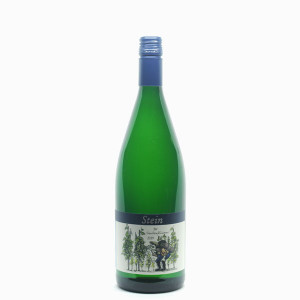
The Traubenflüsterer is a white wine, based on Riesling from the Moselle, aged in steel and large barrels for 6 months. Light with aromas of yellow fruit and good acidity. It goes well with oysters and seafood.
Region: German, Mosel.
Grapes: Riesling
Alcohol content: 10.5%.
Aging: 6 months in steel and large barrels.
Contains sulfites

Weingut Schmitt's Muller-Thurgau is a white wine made from grapes of the same name that come from vineyards located on limestone-clayey soils. During vinification, half of the grapes are pressed immediately and the other half remain in contact with the skins for 3 weeks. Spontaneous fermentation and maturation in 4-5 year old 1,200 liter barrels. Malolactic done naturally. Unfiltered wine.
Region: German, Rheinhessen.
Grapes: Muller-Thurgau.
Alcohol content: 11%.
Aging: Some months in large exhausted wooden barrels.
Contains sulfites

Kerpen's Riesling Graacher Himmelreich Kabinett Feinherb is a wine made from grapes of the same name selected in the famous Wehlener Sonnenuhr vineyard, classified as one of the best in the Moselle.The vinification takes place in steel tanks at low temperature while the aging is in old barrels oak. On the nose the aromas are presented with citrus nuances, hints of apple and pear and light notes of hydrocarbons. On the palate, the freshness and intense mineral texture are striking.
Region: German, Mosel.
Grapes: Rhine Riesling
Alcohol content: 9%.
Aging: Some months in barrel.
Contains sulfites
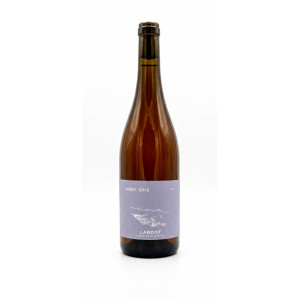
Philip Lardot's Pinot Gris is a wine out of any scheme, which after the initial oxidative notes refers to fruity fragrances. Maceration on the skins for about 14 days and aging in used barriques for 7 months and bottled without filtration. It is produced in a limited number of bottles: don't miss out!
Region: German, Mosel
Grapes: Pinto gris
Alcohol content: 11.5%.
Aging: 7 months in barrique.
Contains sulfites