
 English
 Italiano

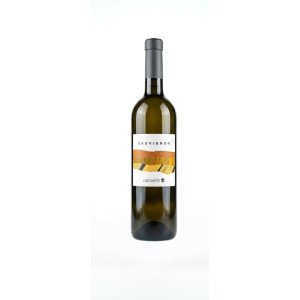
A Sauvignon with a distinctive identity, standing out for an aromatic profile that breaks away from traditional conventions while authentically expressing the character of the terroir. It opens on the nose with notes of unripe fruit and aromatic herbs, accompanied by a pleasant vegetal freshness. On the palate, it is full-bodied, savory, and harmonious, offering a clean, elegant mouthfeel. Its acidity—more restrained than in the producer's other wines—lends it balance, softness, and a pleasant persistence.
Region: Friuli Venezia Giulia.
Grape variety: Sauvignon
Alcohol content: 12%.
Aging: 6 months in steel.
Contains sulfites

Terpin's Quinto Quarto Bianco Sivi is a macerated white wine based on Pinot grigio. The nose has intense aromas of macerated fruit, citrus peel, and notes of spices, resin and acacia honey. On the palate it is dry, enveloping, full-bodied, with good freshness, and with a light tannic texture but absolutely delightful and drinkable.
Region: Friuli Venezia Giulia.
Grape variety: Pinot Gris
Alcohol content: 13%.
Aging: Some months in steelt.
Contains sulfites

Dimitri Cacovich’s Malvasia is vinified according to tradition using indigenous yeasts, open-vat fermentation, and four days of skin maceration. It is aged in stainless steel and then for six months in the bottle. On the nose, it offers aromas of white flowers and ripe fruit; on the palate, it is savory, full-bodied, and persistent.
Region: Friuli Venezia Giulia.
Grape variety: Malvasia
Alcohol content: 12,5%.
Aging: 6 months in steel.
Contains sulfites

Nikolas Juretic's "Mont" is an original and unconventional wine, obtained from white grapes that come from a vineyard of the 60s, located at 190m above sea level, located on mixed soils of foraminifera, dolomitic rocks, volcanic and coral mixed with the traditional ponca. Vinification with pressing of the whole bunch, 2-day maceration on the skins, fermentation and maturation in cement. Material and deep, rich in flavor and freshness. Both gastronomic and meditation.
Region: Friuli Venezia Gulia
Grapes: Blend of white grapes.
Alcohol content: 11,5%.
Aging: Some months in large Slavonian oak barrels.
Contains sufites

The "Piantagrane" of Villa Job is a wine macerated briefly on the skins obtained from Pinot grigio grapes from different parcels. Refinement inside spent barrels and concrete tanks for 9 months. The "Piantagrane" has an intense golden yellow color. The nose recognizes aromas of ripe yellow fruit, citrus notes, aromatic herbs and honey. The sip is medium-bodied, fresh, with good minerality and a light tannin.
Region: Friuli Venezia Giulia.
Grapes: Pinot gris
Alcohol content: 13%.
Aging: 9 months in concrete and old barriques.
Contains sulfites

Sandrigo by Montanar is a fresh and juicy wine that comes from pure white grapes that come from vines of 30 years of age. Aging on fine lees for 8 months in steel tanks. The nose perceives fruity aromas, reminiscent of tropical fruit, followed by citrus touches. The mouth is medium-bodied, fresh, mineral and with a fruity finish.
Grape variety: Local white grapes.
Alcohol content: 11.5%.
Aging: 8 mounths in steel.
Contains sulfites
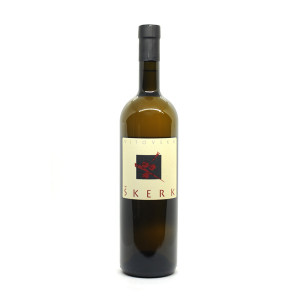
Vitoska by Skerk is a macerated white wine made from Vitovska grapes, a native variety closely linked to the territory and local traditions. Refines one year in barriques before being bottled. A golden yellow wine with a delicate aroma of karst wildflowers and hay. In the mouth it is fine and elegant, moderately alcoholic, with a dry flavor, with an almond aftertaste.
Region: Friuli Venezia Giulia.
Grape variety: Vitovska.
Alcohol content: 12%.
Aging: 12 months in barrique.
Contains sulfites

The Slatnik is an intense golden yellow color. The nose is complex, persistent, with hints of fruit, in particular peach and apricot, with notes of chocolate and floral scents. On the palate it is ample, opulent, greedy, slightly tannic, elegant and mineral. It closes long on notes of fruit.
Region: Friuli Venezia Gulia
Grapes: 80% Chardonnay, 20% Friulano
Alcohol content: 13%.
Aging: 18 months in oak big barrels, then 2 months in bottle.
Contains suflites