
 English
 Italiano

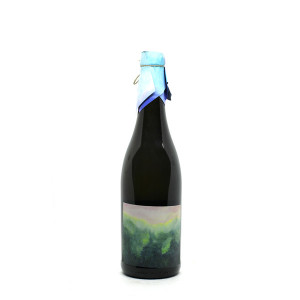
Vincolfondo by Gian Antonio Posocco is produced following the method of natural refermentation in the bottle. Fermented spontaneously, the frozen must of the same vintage is used for the second fermentation in the bottle. It offers a pleasant and flowing drink, with hints of pear, ripe apple and bread crust, harmonious, dry and with a sustained freshness.
Grapes: Local white grapes.
Alcohol content: 11%.
Aging: refermentation in the bottle
Contains suflites

ColFondo Agricolo Colli Treviagiani IGT di Bele Casel is a sparkling wine obtained through the refermentation in the bottle, a traditional method of the Asolo hills for many generations. The grapes used are Glera and local varieties such as Bianchetta Trevigiana and Perera, which grow on marly-clayey soils. The nose perfumes are constantly evolving, fresh and fruity aromas in the first months of life, after the year from the date of bottling complexity and intensity are the masters. The sip is mineral, almost salty, persistent. There remains the light hint of bread crust and a light and pleasant bitter taste typical of prosecco.
Region: Veneto.
Grapes: Glera.
Alcohol content: 11%.
Aging: Refermentation in the bottle.
Contains sulfites

A prosecco, smart, elegant, of great drink; With yellow apple scents, peach, and tropical fruit. In the mouth a living acidity compensated by fruit from tropical accents and light notes of citrus honey. The sugar residue is 4 g / l.
Region: Veneto.
Grapes: 90% Glera, 5% Bianchetta Trevigiana, 5%, Perera.
Alcohol content: 11%.
Aging: 4 months on the lees.
Contains sulfites
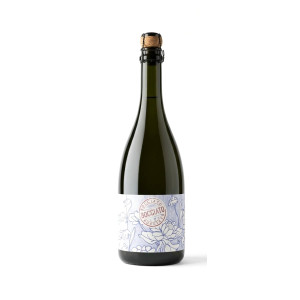
An authentic, unfiltered, artisanal sparkling wine crafted by Maurizio using strictly hand-harvested grapes and a slow production process that fully respects the raw material. “Bocciato” is a lively, genuine wine featuring a fine, pleasant effervescence. On the nose, it reveals delicate aromas of pear, white flowers, and wisteria, while on the palate, it surprises with freshness and a fragrant finish reminiscent of bread crust. An honest, dynamic, and satisfying wine, designed for those seeking authenticity, craftsmanship, and character in their glass.
Grapes: Local white grapes.
Alcohol content: 11%.
Aging: refermentation in the bottle.
Contains sulfites

The Valdobbiadene Prosecco DOCG "Frizzante ... naturally" from Case Coste Piane is a Prosecco which is produced with the technique of refermentation in the bottle, the oldest and most natural method to obtain sparkling wines. After the first fermentation, the wine is bottled and rests all winter in a cool place. With the arrival of spring and the rise in temperature, a second spontaneous fermentation in the bottle with sugars and residual yeasts begins, which produces a light and lively perlage. Its colroe is intense straw yellow. On the nose aromas ranging from white fruit to flowers. The sip is full, pulpy, beautifully fresh, fruity and highly mineral.
Region: Veneto.
Grapes: 95% Glera,5% Verdiso, Bianchetta, Perera.
Alcohol content: 11%.
Aging: Refermentation in the bottle.
Contains sulfites
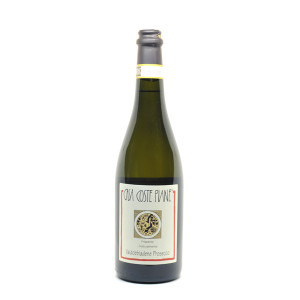
The Valdobbiadene Prosecco DOCG "Frizzante ... naturally" from Case Coste Piane is a Prosecco which is produced with the technique of refermentation in the bottle, the oldest and most natural method to obtain sparkling wines. After the first fermentation, the wine is bottled and rests all winter in a cool place. With the arrival of spring and the rise in temperature, a second spontaneous fermentation in the bottle with sugars and residual yeasts begins, which produces a light and lively perlage. Its colroe is intense straw yellow. On the nose aromas ranging from white fruit to flowers. The sip is full, pulpy, beautifully fresh, fruity and highly mineral.
Region: Veneto.
Grapes: 95% Glera,5% Verdiso, Bianchetta, Perera.
Alcohol content: 11%.
Aging: Refermentation in the bottle.
Contains sulfites
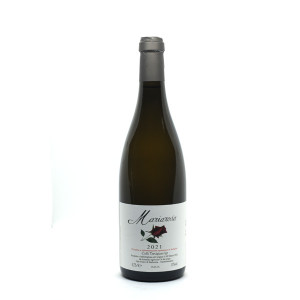
The Mariarosa di Ca 'dei Zago is a refermented wine in the bottle obtained from Perera, Bianchetta and Verdiso. A wine of intense minerality, which gives the nose floral and fruity notes.
Region: Veneto.
Grapes: Glera,Verdiso, Bianchetta, Perera.
Alcohol content: 11%.
Aging: Refermentation in the bottle.
Contains sulfites
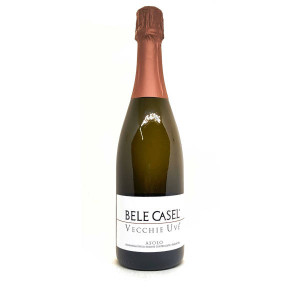
Authentic hills, and bubbles that have something to say. Fresh, dry, with aromas of yellow fruit and a lovely saline note. Clean, elegant, with no sugar content or overflowing.
Region: Veneto.
Grapes: 90% Glera, 5% Bianchetta Trevigiana, 5%, Perera.
Alcohol content: 11%.
Aging: 4 months on the lees.
Contains sulfites