
 English
 Italiano


A prosecco, smart, elegant, of great drink; With yellow apple scents, peach, and tropical fruit. In the mouth a living acidity compensated by fruit from tropical accents and light notes of citrus honey. The sugar residue is 4 g / l.
Region: Veneto.
Grapes: 90% Glera, 5% Bianchetta Trevigiana, 5%, Perera.
Alcohol content: 11%.
Aging: 4 months on the lees.
Contains sulfites
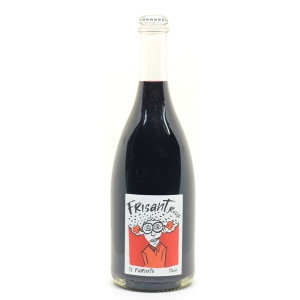
Frisant Rosso del Farneto is a sparkling wine that stands out for its fresh and lively characteristics. Produced primarily from red grapes, it reflects the winemaking traditions of Emilia-Romagna and offers an engaging sensory experience. Bottle refermentation is a method that gives the wine its natural bubbles, making it particularly lively and light. The result is a juicy and crunchy wine, with fruity and floral aromas, which lend themselves well to being paired with a variety of dishes, from cured meats to fresh cheeses, up to meat and pasta dishes. Its versatility makes it ideal for any occasion, from celebrations to informal dinners. If you are looking for a wine that can cheer up your palate and accompany convivial moments, Frisant Rosso del Farneto is certainly an excellent choice.
Regione: Emilia Romagna
Grapes: Red white
Alcohol content: 11%.
Aging: Refermentation in the bottle
Contains sulfites
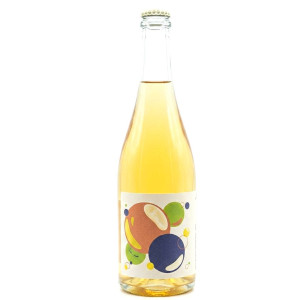
An unusual Pet Nat that comes from the fusion of a blend of white grapes macerated for 22 days. Ancestral method with end of fermentation in the bottle for a sparkling wine that calls for food, perhaps a fried lamb or a rabbit in porchetta, to balance the acid-tannic "game" of the wine.
Denomination: Sparkling white wine
Grapes: Local white grapes.
Alcohol content: 11%.
Aging: Refermentation in the bottle.
Contains sulfites
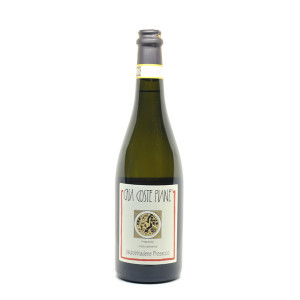
The Valdobbiadene Prosecco DOCG "Frizzante ... naturally" from Case Coste Piane is a Prosecco which is produced with the technique of refermentation in the bottle, the oldest and most natural method to obtain sparkling wines. After the first fermentation, the wine is bottled and rests all winter in a cool place. With the arrival of spring and the rise in temperature, a second spontaneous fermentation in the bottle with sugars and residual yeasts begins, which produces a light and lively perlage. Its colroe is intense straw yellow. On the nose aromas ranging from white fruit to flowers. The sip is full, pulpy, beautifully fresh, fruity and highly mineral.
Region: Veneto.
Grapes: 95% Glera,5% Verdiso, Bianchetta, Perera.
Alcohol content: 11%.
Aging: Refermentation in the bottle.
Contains sulfites
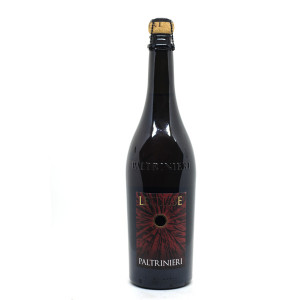
The Eclipse by Paltrinieri is a sparkling light ruby-red wine, with wide and intense aromas reminiscent of blackcurrant, sour cherry, the wild strawberry and rose hips on the palate is dry, full-bodied and strong flavor and acidity
Region: Emilia Romagna.
Grapes: Lambrusco di Sorbara.
Alcohol content: 11%.
Aging: Produced following the Charmat or Martinotti method, with re-fermentation in autoclave.
Contains sulfites
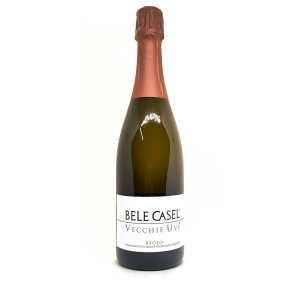
Authentic hills, and bubbles that have something to say. Fresh, dry, with aromas of yellow fruit and a lovely saline note. Clean, elegant, with no sugar content or overflowing.
Region: Veneto.
Grapes: 90% Glera, 5% Bianchetta Trevigiana, 5%, Perera.
Alcohol content: 11%.
Aging: 4 months on the lees.
Contains sulfites

The Valdobbiadene Prosecco DOCG "Frizzante ... naturally" from Case Coste Piane is a Prosecco which is produced with the technique of refermentation in the bottle, the oldest and most natural method to obtain sparkling wines. After the first fermentation, the wine is bottled and rests all winter in a cool place. With the arrival of spring and the rise in temperature, a second spontaneous fermentation in the bottle with sugars and residual yeasts begins, which produces a light and lively perlage. Its colroe is intense straw yellow. On the nose aromas ranging from white fruit to flowers. The sip is full, pulpy, beautifully fresh, fruity and highly mineral.
Region: Veneto.
Grapes: 95% Glera,5% Verdiso, Bianchetta, Perera.
Alcohol content: 11%.
Aging: Refermentation in the bottle.
Contains sulfites

Spumante Brut Nature Marasco is a juicy and fragrant wine made from Marasco grapes. It has a straw yellow color with a delicate perlage. On the nose hints of pear, with notes of citrus and light sensations of notes of bread. In the mouth the bubbles are fine and delicate, not intrusive, with a good body supported by a nice acidity.y.
Region: Puglia.
Grapes: Marasco.
Alcohol content: 11%.
Aging: Refermentation in autoclave
Contains sulfites