5% OFF WITH THE WELCOME CODE

SPARKLING WINES THAT PASSION

Sparkling wine or Champagne, classic method or charmat method? Spumanti di Valdobbiadene, Prosecco, or Bollicine della Franciacorta? Here is a brief guide to understanding the different processing methods. In the Classic Method and in Champagne, refermentation takes place in the bottle. After the first fermentation, the base wine thus produced, usually with a very marked acidity, is bottled with the addition of the so-called liqueur de tirage, a mixture of sugar, yeast and wine capable of starting the refermentation in the bottle, thus producing the carbon dioxide that gives the wine the traditional foam, the so-called "perlage". In general, the second fermentation lasts a few weeks, then the wine will remain in contact with its fine lees for a period of time ranging from a few years to decades, acquiring aromas and aromas that characterize it, in short, the more time the better. When the winemaker decides that it is the time for disgorgement, the bottles are shaken and rotated periodically to allow the lees to flow towards the cork, in a special container called bidule. This operation can last months, in fact today this work is done with machines called giropallets. When all the dregs are in the bidule the cork is removed by quickly uncorking the bottle so that there is no dispersion of wine and bubbles. There are two opening procedures: freezing the neck of the bottle so as to solidify the lees, or with a more traditional method called a la voleè, used above all in the case of magnums. The bottle is then topped up with the so-called liqueur d'expedition consisting of wine, brandy and sucrose. Depending on the amount of liqueur added, sparkling wines are divided into: pas dosè, extra brut, brut, extra dry, and sweet. In Italy there are many wineries producing sparkling wines Metodo Classico, and the best ones are found in Franciacorta, and in Trentino. In the Charmat or Martinotti Method instead, the refermentation takes place in an autoclave and the yeast sediment is eliminated by isobaric filtration before bottling. It is a method invented by the Italian Federico Martinotti, director of the Royal Oenological Station of Asti, but which was patented by the French engineer Eugène Charmat. It requires shorter processing times, even if there is a short method that lasts 3 months and a long one that usually lasts 6 months. It is used for those vines that can express fresh and fruity aromas such as Moscato, Riesling, Glera, and Muller Thurgau. The Charmat method allows to obtain both sweet and dry sparkling wines and is used to produce Asti spumante, Moscati, Prosecco and aromatic Malvasia. There is a third method for the formation of bubbles called the Ancestral Method. The "Ancestral Method" is the oldest and most natural procedure for obtaining sparkling wines characterized by a delicate and persistent perlage. An example of all, are two regions of great tradition such as Emilia Romagna with its Lambrusco or Veneto with its Prosecco "con il fondo". Looking beyond Italy, the Blanquette in Languedoc-Roussillon in France stands out. In the Ancestral method the fermentation is stopped at a precise sugar content, necessary to guarantee the recovery of the same after bottling, without the additional addition of sugars and yeasts. With the arrival of the first warm, usually in spring, the fermentation starts again with the formation of bubbles, or as the French say, a slightly sparkling "petillant". These wines that do not undergo disgorgement usually appear turbid and present the classic smell of bread crust due to the action of yeasts.

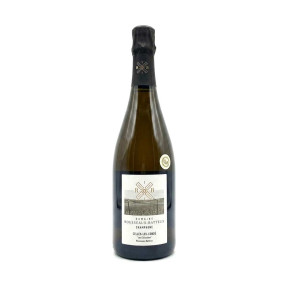
SKU: RER002

The Le Celles-Lès-Condé Autre Cru "Les Echaudèes" from Rousseaux-Batteux is an interesting expression of Champagne, with a particular focus on Pinot Meunier, which represents 100% of the cuvée. The vines, with an age of 40 years, grow in the prestigious cru of Celles-Lès-Condé, known for its microclimate and soil favorable to viticulture. The choice to ferment in oak barrels gives the wine complexity and depth, while the 14-month aging in wood helps to further develop its aromas and give it an elegant structure. The relatively low dosage of 2-3 g/l underlines the intent to maintain the purity and authenticity of the wine, allowing the character of Pinot Meunier to express itself at its best. This Champagne has typical fruity and floral notes, with a fine texture and freshness that make it suitable both for an aperitif and to accompany more elaborate dishes. The care and attention that the producers dedicate to this Champagne reflects a winemaking tradition that enhances terroir and variety.

Region: France, Champagne.

Grapes:Pinot meunier

Alcohol content: 12%.

Aging: 20 months on the lees.

Contains sulfites
€75.90
Add to cart
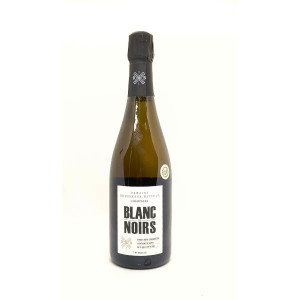
SKU: RER001

The Champagne Grand Cru "Blanc de Noirs" Extra Brut from Rousseaux-Batteux is a fascinating wine that embodies the expressiveness and complexity of Pinot Noir, grown in the prestigious Grand Cru area of ​​Verzenay. The choice to make wine practically in oak barrels gives the wine a unique depth and character, enriching the aromatic bouquet with complex tones of ripe fruit and spices. The long maturation on the yeasts for approximately 20 months before disgorgement allows the champagne to develop a particular creaminess and finesse, while maintaining a lively freshness, typical of Extra Brut. The low sugar dosage, located between 5-6 g/l, further enhances the purity of the wine and its ability to express the unique terroir of the region.

Region: France, Champagne.

Grapes: Pinot noir

Alcohol content: 12%.

Aging: 20 months on the lees.

Contains sulfites

€52.90
Add to cart
Compare (0 items) My Wishlist (0 items) Contact us
Please login first
Please login first

Your cart

There are no more items in your cart