
5% OFF WITH THE WELCOME CODE

SPARKLING WINES THAT PASSION

Sparkling wine or Champagne, classic method or charmat method? Spumanti di Valdobbiadene, Prosecco, or Bollicine della Franciacorta? Here is a brief guide to understanding the different processing methods. In the Classic Method and in Champagne, refermentation takes place in the bottle. After the first fermentation, the base wine thus produced, usually with a very marked acidity, is bottled with the addition of the so-called liqueur de tirage, a mixture of sugar, yeast and wine capable of starting the refermentation in the bottle, thus producing the carbon dioxide that gives the wine the traditional foam, the so-called "perlage". In general, the second fermentation lasts a few weeks, then the wine will remain in contact with its fine lees for a period of time ranging from a few years to decades, acquiring aromas and aromas that characterize it, in short, the more time the better. When the winemaker decides that it is the time for disgorgement, the bottles are shaken and rotated periodically to allow the lees to flow towards the cork, in a special container called bidule. This operation can last months, in fact today this work is done with machines called giropallets. When all the dregs are in the bidule the cork is removed by quickly uncorking the bottle so that there is no dispersion of wine and bubbles. There are two opening procedures: freezing the neck of the bottle so as to solidify the lees, or with a more traditional method called a la voleè, used above all in the case of magnums. The bottle is then topped up with the so-called liqueur d'expedition consisting of wine, brandy and sucrose. Depending on the amount of liqueur added, sparkling wines are divided into: pas dosè, extra brut, brut, extra dry, and sweet. In Italy there are many wineries producing sparkling wines Metodo Classico, and the best ones are found in Franciacorta, and in Trentino. In the Charmat or Martinotti Method instead, the refermentation takes place in an autoclave and the yeast sediment is eliminated by isobaric filtration before bottling. It is a method invented by the Italian Federico Martinotti, director of the Royal Oenological Station of Asti, but which was patented by the French engineer Eugène Charmat. It requires shorter processing times, even if there is a short method that lasts 3 months and a long one that usually lasts 6 months. It is used for those vines that can express fresh and fruity aromas such as Moscato, Riesling, Glera, and Muller Thurgau. The Charmat method allows to obtain both sweet and dry sparkling wines and is used to produce Asti spumante, Moscati, Prosecco and aromatic Malvasia. There is a third method for the formation of bubbles called the Ancestral Method. The "Ancestral Method" is the oldest and most natural procedure for obtaining sparkling wines characterized by a delicate and persistent perlage. An example of all, are two regions of great tradition such as Emilia Romagna with its Lambrusco or Veneto with its Prosecco "con il fondo". Looking beyond Italy, the Blanquette in Languedoc-Roussillon in France stands out. In the Ancestral method the fermentation is stopped at a precise sugar content, necessary to guarantee the recovery of the same after bottling, without the additional addition of sugars and yeasts. With the arrival of the first warm, usually in spring, the fermentation starts again with the formation of bubbles, or as the French say, a slightly sparkling "petillant". These wines that do not undergo disgorgement usually appear turbid and present the classic smell of bread crust due to the action of yeasts.

SKU: LXR009
Brand: Loxarel

999 Brut Nature Reserva Rosato by Loxarel is a Spanish sparkling wine as sharp as a blade, obtained from a blend of Xarello, Vermell and Pinot Noir. It is an excellent aperitif, but also a refreshing companion to any meal.

Region: Spain, Penedes.

Grapes: Xarello, Vermell and Pinot noir

Alcohol content: 12.5%.

Aging: At least 18 months on the lees.

Contains sulfites
€20.90
Add to cart
SKU: TDT002

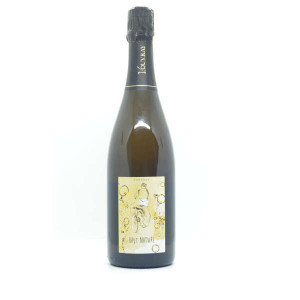
Nouveau Nez is an elegant Pétillant Naturel made from 100% biodynamic Chenin Blanc from the Loire. Fresh, creamy, and lively, it captivates with notes of apple, pear, citrus, and honey, a fine perlage, and distinct minerality. An authentic, energetic, and irresistibly drinkable wine.

Region: France, Loire

Grapes: Chenin Blanc

Alcohol content: 12,5%.

Aging: 3/6 mounths in steel.

Contains sulfites

€29.90
Add to cart
SKU: FDS002

Stella del Filare's Franciacorta Rosè displays unexpected elegance with exceptional drinkability. Made from 100% Pinot Noir from a single vineyard, the bottles are disgorged after approximately 24 months of aging on the lees. The perfect wine for celebrating and clinking glasses late into the night.

Region: Lumbardy.

Grapes:  Pinot noir.

Alcohol content: 12,5%.

Aging: 24 months on the lees.

Contains sulfites
€35.90
Add to cart
SKU: FDN002

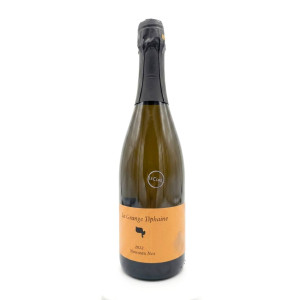
Vouvray Brut Nature by Domaine du Facteur is a classic method sparkling wine produced only with Chenin Blanc grapes which ages on the yeasts for 12 months before being bottled without dosage. Lively and very elegant, it combines the extreme freshness of the vine with its broad fruity and floral bouquet. Perfect for cheering up the aperitif.

Region: France, Loire

Grapes: Chenin Blanc

Alcohol content: 12.5%.

Aging: Refermentation in the bottle.

Contains sulfites

€22.90
Add to cart
SKU: LXR009
Brand: Loxarel

A Pèl Ancestral is a wine made 100% from Xarello grapes with the method of refermentation in the bottle. Fermentation takes place with indigenous yeasts in 1000 liter terracotta amphorae with maceration on the skins. The fermentation in the bottle ends. No sugars or yeasts are added. It is marketed with cork and crown cap, in the ancestral style. A full and balanced wine with aromas of ripe white fruit, white flowers and citrus. An elegant salty touch gives it a long and persistent finish.

Region: Spain, Penedes.

Grapes: Xarelho.

Alcohol content: 12.5%.

Aging: Refermentation in the bottle.

Contains sulfites

€25.90
Add to cart
SKU: LXR008
Brand: Loxarel

Amaltea is a Spanish sparkling wine taglieten like a lama, obtained from indigenous varieties of Penedès: 60% Xarello, 30% Macabeu and 10% Parellada. It is an excellent aperitif, but also a refreshing companion to any meal. "Amalthea" is the name of the goat on the label which reflects the philosophy of Loxre in fact, according to Greek mythology, Amalthea raised the god Zeus with her milk and her horn plays an important role in biodynamic viticulture.

Region: Spain, Penedes.

Grapes: 60% Xarello, 30% Macabeu and 10% Parellada. 

Alcohol content: 12.5%.

Aging: At least 18 months on the lees.

Contains sulfites
€20.90
Add to cart
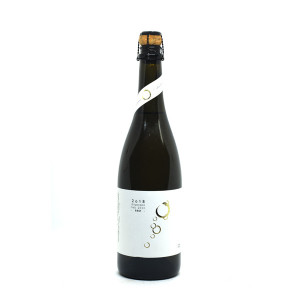
SKU: FRK001

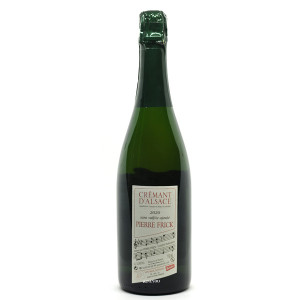
Cremant by Pierre Frick is a fresh and complex wine produced using grapes of Pinot blanc and Auxerrois. The nose gives aromas of bread crust and aromatic herbs, followed by honey notes, dried fruit and pastries. The sip is very drinkable, with excellent freshness and fragrance.

Region: Francia, Alsazia.

Grapes: 75% Pinot blanc, 25% Auxerrois.

Alcohol content: 12,5%.

Aging: 12 months on its own yeasts in bottle with no added sulphites

Contains sulfites
€44.90
Add to cart
SKU: PMO001

Peter Lauer produces different versions of Riesling, and in this case he offers it in an unusual effervescent guise. Its Cremant is based on riesling and ages on the lees for 20 months. It has an intense straw yellow color with a fine and persistent effervescence. The nose has a fruity aroma with notes of white peaches and apricots, combined with pleasant sensations of croissants in the background. The sip is fresh and reactive, long and supported by a beautiful acidity typical of riesling. It closes with a long and clean finish.

Region: Germany, Moselle.

Grapes: Riesling.

Alcohol content: 12.5%.

Aging: 20 months on the lees.

Contains sulfiets

€28.90
Discover
Out-of-Stock
Compare (0 items) My Wishlist (0 items) Contact us
Please login first
Please login first

Your cart

There are no more items in your cart