5% OFF WITH THE WELCOME CODE

SPARKLING WINES

Sparkling wine is a wine that, when it is sealed, produces foam, caused by the presence of carbon dioxide. The legislation stipulates that a natural sparkling wine is a wine produced by the first or second alcoholic fermentation of fresh grapes, wine grape must, which is characterized by the separation from carbon dioxide arising exclusively from fermentation and that, at a temperature of 20 ° in closed containers has a pressure of not less than 3 atmospheres and a minimum alcohol content of 9.5%. There are two types of sparkling wine: one that involves bottle fermentation and is called the Classic Method, and the other, where fermentation occurs in autoclaves, is called the Charmat Method. The spumante's history dates back to the first century AD. when Pliny the Elder quoted in his Naturalis Historia the "sparkling wines of the goddess Augusta". But the real champagne of the sparkling wine was Dom Perignon, abbot of Hautvillers in Champagne and abbey winery, who was the first to perfect the method for producing the bubbles that was called the Champenoise Method. In Italy the first to adopt this method were the Gancia, in Piedmont to 1850, in 1871 the Carpene Malvolti in Veneto, and at the beginning of 900 by Ferrari in Trentino. Today in Italy, like in the rest of the world, this name can no longer be used. In Italy it is called Classic Method, in Spain Cava, in France outside the Champagne region the name Cremant is used, in Germany Sekt is used. Vineyards Traditionally used are Chardonnay, Pinot Noir and Pinot Meunier.Most of the sparkling wines are produced by assembling these three varieties in varying quantities, Chardonnay gives elegance and refinement, the Pinot Noir structure and power, and the Pinot Meunier fruity aromas. If a sparkling wine is produced using only Chardonnay or white berry grapes it is called Blanc de Blancs, whereas if you are using red grape vines the name will be Blanc de Noirs. But how is a sparkling wine produced? First, it is necessary to harvest uncomplicated grapes so as to have a slightly low sugar level and a high acidity. With the grapes in the cellar, the base wine is prepared which must have a strong acidity and then be bottled for the fermentation. The pressing of the clusters must be soft, the first fraction of squeezing is the most valuable and is used for cuvèes while the second fraction is destined for the formation of the most common sparkling wines. Once the base wine is obtained, in the spring the winery will proceed to the formation of the cuvèe. The wine cellar must be very experienced and prepared, in fact, will try to assemble different wines from their origin, vine, year of production so as to obtain cuvèes that each year have characteristics of taste, complexity and structure that can be attributed to the company. If a vintage is particularly favorable, the winery may decide to use the grapes only of that vintage and in this case it will be referred to sparkling wine millesimato. Produced by our cuvèes, it is added to the so-called liquer de tirage, which is nothing more than wine, sugar and yeast. Add 24 grams of sugar because four grams are used to produce an atmosphere.Then the wine is bottled, and the bottles are sealed hermetically with crowned caps and stuck in the cellar in a horizontal position. Thus begins the foaming, where the yeasts transform the sugar into alcohol and a good amount of carbon dioxide is produced that is bottled by forming the bubbles. This process must take place at 10/12 ° temperatures so that fermentation takes place slowly and the bubbles that form, the so-called perlage, will be fine and persistent. After fermentation, the yeasts are self-destruct and precipitate to the bottom of the bottle, and remain in contact with the wine to which they will give aromas and perfumes. The longer this contact time is the better the sparkling wine you will get. Once a month the bottles are shaken so that the yeasts are suspended and do not hang on the bottom. Once the aging period has elapsed, the remuage begins, which is the practice of eliminating the yeast yeast and the lees from the sparkling wine. The bottles are put into the pupitres that are boards with several holes hooded up. The bottles are put down with their neck down and every day they are rotated so that the lees drop to the cap. Remuneration can take up to 12 months. Today, this operation is carried out automatically through the giropalettes. When all the bottles are upright, with the tip down, you go to the degorgement, which is to freeze the neck of the bottle in a coolant solution. At this point the bottle is disconnected, and due to the internal pressure the lees are eliminated. The grafting operation follows the addition of expedition liquor, a liquid made up of aged wine, distilled and variable parts of sugar depending on the type of sparkling we want to obtain, extrabrut, brut, extradry and ... if after dosé not it will put sugar. After finishing the bottling, the bottles will be put into the cellar for a few months before being sold. In sparkling wines obtained with the Charmat or Martinotti Method, the second fermentation occurs in autoclaves. It may vary from three months, Charmat Short Method, to Six Months, Long Charmat Method. Another difference with the Classic Method is that aromatic grapes such as Moscato, Brachetto and Malvasie are used, as this method is used to enhance the fresh scents of grapes. Sparkling wines usually use cold at a temperature of 6/8 ° even if it is better to propose the special cuvèes and the millesimates around the 10/12 °. Several dishes are served at the table. Perfect as an aperitif, ideal for accompanying first courses with vegetables and fish, seafood seconds. If based on Pinot Noir you can go with the salami, Parmigiano Reggiano and meat preparations.

SKU: NSC005

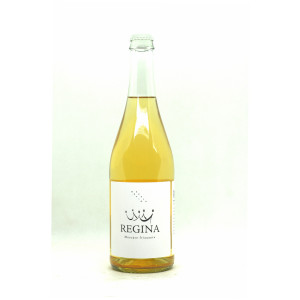
Regina di Nevio Scala is refermented in the bottle from Moscato grapes only. Vivid, lively, very smooth, it has an aromatic nose with fruity and floral notes. It will be able to brighten up your occasions of carefree conviviality like few others.

Region: Veneto.

Grapes: 65% Moscato giallo - 35% Moscato bianco.

Alcohol content: 12%.

Aging: Refermentation in the bottle.

Contains sulfites

€13.90
Add to cart
SKU: MOS001

Sotocà by Meggiolaro Vini is a full and juicy sparkling wine based on 100% Durella. The hints of yellow fruit blend perfectly with those of citrus fruits and flint. Sotocà will be the ideal bottle to uncork and sip together with a light and crunchy fry.

Region: Veneto

Grapes: Durella

Alcohol content: 11,5%.

Aging: Refermentation in the bottle.

Contains sulfites

€15.90
Add to cart
SKU: NSC001

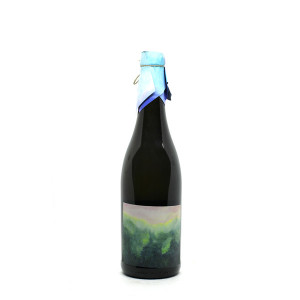
Gargante is a sparkling wine made from garganega grapes obtained by the method of fermentation in the bottle. It has a straw yellow color with a nice abundant foam. On the nose we can perceive hints of yeasts and notes of ripe and exotic fruit. The sip is satisfying, fresh and enveloping. Il Gargante is a sincere and immediate wine, which stands out for its ease of drinking.

Region: Veneto.

Grapes: Garganega.

Alcohol content: 11,5%.

Aging: Refermentation in the bottle.

Contains sulfites
€12.90
Add to cart
SKU: GEF001

Vincolfondo by Gian Antonio Posocco is produced following the method of natural refermentation in the bottle. Fermented spontaneously, the frozen must of the same vintage is used for the second fermentation in the bottle. It offers a pleasant and flowing drink, with hints of pear, ripe apple and bread crust, harmonious, dry and with a sustained freshness.

Grapes: Local white grapes.

Alcohol content: 11%.

Aging: refermentation in the bottle

Contains suflites

€18.90
Add to cart
SKU: CIR019

Sieman's "Chameleon" is a sparkling wine refermented in the bottle obtained from Garganega, Durela and Bronner. It's called "Chameleon" because every year it changes its skin, in fact it can be done with different grapes. It has an intense and turbid straw yellow color with a lively foam. On the nose The aromas are reminiscent of bread crust, yellow fruit and floral. The sip is fresh, fragrant, with an agile and very fresh sip.

Region: Veneto.

Grapes: Garganega, Durela and Bronner

Alcohol content: 11%.

Aging: Bottle refermentation according to the ancestral method.

Contains sulfites

€18.90
Add to cart
SKU: MOS002

The Corte Roncolato by Meggiolaro is a classic method sparkling wine made with Durella grapes. This wine is born from spontaneous fermentation, without the addition of sugars (not dosed), and is refined on the lees in the bottle for a period of 36 months, thus ensuring complexity and depth of flavor. It is an ideal product for lovers of natural and long-maturing bubbles, with an authentic and refined character.

Region: Veneto

Grapes: 95% Durella, 5% Garganega

Alcohol content: 12%.

Aging: At least 36 months on the lees

Contains sulfites

€23.90
Add to cart
SKU: SCO005

"Principe Rosa" by Santa Colomba is a sparkling rosé wine obtained with the method of refermentation in the bottle from Merlot, Garganega and Sauvignon grapes. It is a thirst-quenching, pulpy and very agile wine. Call the light-heartedness and summer evenings.

Region: Veneto.

Grapes: Merlot, Garganega, Sauvignon.

Alcohol content: 12.5%.

Aging: Refermentation in the bottle.

Contains sulfites

€16.90
Add to cart
SKU: SCO001

The "Principiante" of Santa Colomba is a sparkling wine obtained with the method of refermentation in bottle from Garganega grapes. Produced in 3,000 bottles a year, it is straw yellow in color, slightly opalescent with fine perlage. The nose is expressed with hints of white plum, grapefruit and pineapple and notes of broom. On the palate it is very fresh, sapid and well balanced.

Region: Veneto.

Grapes: Garganega.

Alcohol content: 11.5%.

Aging: Refermentation in the bottle.

Contains sulfites

€15.90
Discover
Out-of-Stock
SKU: BIA009

Gargn'go is a lively and drinkable sparkling wine based on Garganega and Durella. It has a straw yellow color with an almost evanescent bubbles. On the nose notes of elderberry flowers, yellow berry fruits, citrus notes. The sip is lively, disruptive, supported by an excellent freshness that immediately entices a second taste.

Region: Veneto.

Grapes: 80% Garganega, 20% Durella.

Alcohol content: 11%.

Aging: Fermented base wine in steel and added Garganega passita for the second fermentation in the bottle.

Contains sulfites
€16.90
Discover
Out-of-Stock
SKU: ARM003

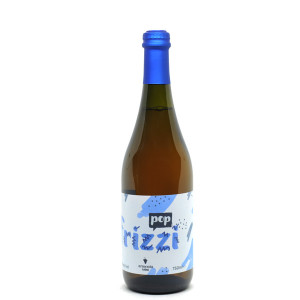
The "Frizzi Pop" is a straightforward and drinkable sparkling wine obtained from a blend of white and red grapes with the method of refermentation in the bottle. It smells of fruit on the nose with references to wild strawberries. Full sip, with a pleasant degreasing bubble. Drink compulsively. An authentic wine capable of enhancing the territory from which it comes.

Grapes: Blend of white and red grapes.

Alcohol content: 12%.

Aging: Refermentation in the bottle.

Contains sulfites

€14.90
Discover
Out-of-Stock
Compare (0 items) My Wishlist (0 items) Contact us
Please login first
Please login first

Your cart

There are no more items in your cart