
 English
 Italiano


The "Antico" sparkling wine is obtained using white grapes that come from vineyards over 35 years old grown in Trentino pergola on medium-textured limestone soils. Spontaneous fermentation for the formation of the base wine and re-fermentation in the bottle after it remains to refine on the lees for two years. It is not opened and no sulfur is added before it is put on the market. It has a slightly turbid straw yellow color with lively bubbles. Classic aromas of bread crust, flowers and light mineral notes on the nose. In the mouth great drinkability, pleasantness and all the experience of the yeasts that enhances the mineral strength of the alpine place.
Grapes: White grapes.
Alcohol content: 11.5%.
Aging: Some months in the bottle on the lees.
Contains sulgites

"Libeccio 225" by Podere Cipolla is a refermented in bottle made from 100% Lambrusco Grasparossa grapes. The lively and cheerful foam, the scents of fruity, floral and yeasty fragrances combined with a lively, refreshing and delicious sip make this bottle very gastronomic and irresistibly satisfying
Region: Emilia Romagna.
Grapes: Lambrusco Grasparossa.
Alcohol content: 11,5%.
Aging: Bottle fermentation according to the ancestral method without disgorgement.
Contains sulfites
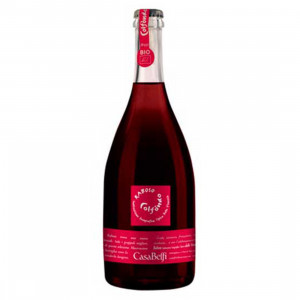
Rosso Colfòndo Frizzante Sui Lieviti by Casa Belfi is a sparkling wine obtained from reds with the method of refermentation in the bottle. Fruity, floral hints with spicy notes accompanied by sweet notes of sugared almonds. In the mouth acidulous and dry with a balanced tannin.
Grapes: Local red grapes.
Alcohol content: 10,5%.
Aging: Refermentation in the bottle.
Contains sulfites

SoloUva Franciacorta Dosaggio Zero is a sparkling wine made from Chardonnay grapes made according to the SoloUva method without the addition of exogenous sugars; the second fermentation in the bottle is activated by the addition of frozen must. It is a fresh and enveloping bubble, animated by a long savory finish
Region: Lumbardy.
Grapes: Chardonnay.
Alcohol content: 12%.
Aging: 36 months on the lees in the bottle.
Contains sulfites

Paltrinieri's "Solco" is a sincere and authentic wine that fully represents the character of Lambrusco Salamino, sourced from the historic Cristo area. The result of meticulously selected grapes and meticulous vinification with Charmat refermentation in Paltrinieri's historic cellars in Sorbara, this wine expresses all the richness and personality of this prestigious winemaking region. It's ideal with appetizers, white meat dishes, and fresh cheeses, or as an aperitif. As always, the best tasting experience is enjoyed in good company!
Region: Emilia Romagna.
Grapes: Lambrusco di Salamino
Alcohol content: 11%.
Aging: Produced following the Charmat or Martinotti method, with re-fermentation in autoclave.
Contains sulfites

Pas Dosè Blanc de Blancs by Alssandro Viola is a Catarratto-based sparkling wine that rests on the lees for at least 20 months before disgorgement. It presents hints of sage and rosemary on the nose, marine and brackish notes with a bitter almond background. At the sip the perlage is fine and persistent, it expresses freshness and flavor, to be drunk in buckets.lent length.
Region: Sicily.
Grapes: Catarratto.
Alcohol content: 12,5%.
Aging: On the lees in the bottle for at least 20 months.
Contiens sulfites

The "Sottobosco" is a sparkling red wine obtained from a blend of the rare lambrusco di montericco together with malbo gentile, lambrusco grasparossa and sgavetta. It has a ruby red color with a nice persistent foam. The nose is rich in hints of red fruits. On the palate it is sapid, fresh, with lively tannins.
Region: Emilia Romagna.
Grape variety: Lambrusco di montericco, malbo gentile, lambrusco grasparossa and sgavetta.
Alcohol content: 11,5%.
Aging: Refermentation in the bottle.
Contains sulfites
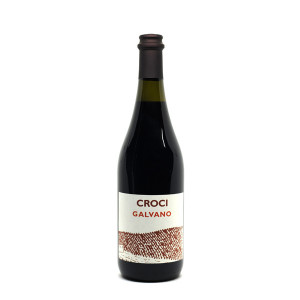
The Galvano by Croci is a rustic and pleasant sparkling red wine obtained from a blend of Barbera and Bonarda, produced with the method of refermentation in the bottle. The acidity and tannin balance the structure of the wine. Great drinkability.
Region: Emilia Romagna.
Grapes: Barbera and Bonarda.
Alcohol content: 12,5%.
Aging: refermentation in the bottle.
Contains sulfites
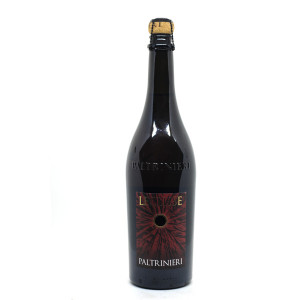
The Eclipse by Paltrinieri is a sparkling light ruby-red wine, with wide and intense aromas reminiscent of blackcurrant, sour cherry, the wild strawberry and rose hips on the palate is dry, full-bodied and strong flavor and acidity
Region: Emilia Romagna.
Grapes: Lambrusco di Sorbara.
Alcohol content: 11,5%.
Aging: Produced following the Charmat or Martinotti method, with re-fermentation in autoclave.
Contains sulfites

Franciacorta Saten by Arcari and Danesi is a sparkling wine obtained from 100% Chardonnay grapes. Aging for 40 months on the lees. It has a subtle and elegant nose with embossed bitter almond. It fills the mouth with its pulpy fruit and its fine bubble. Balanced and vertical.
Region: Lumbardy
Grapes: Chardonnay.
Alcohol content: 12%.
Aging: 40 months on the lees.
Contains sulfites

AA (Anonimo Ancestral) from Partida Creus is a sparkling natural wine obtained with the method of refermentation in the bottle from grapes of Xarel-lo, Parellada, Moscatel, Ull de Llebre organically grown in Penedes, Catalonia, Spain. It is vinified naturally without the addition of indigenous yeasts, without sulphites, unfiltered
Region: Spain, Penedes.
Grapes: Xarel-lo, Parellada, Moscatel, Ull de Llebre
Alcohol content: 11%.
Aging: Refermention in the bottle.
Contains sulfites

Fedelie Bianco by Cantina Marilina is a wine that releases fruity and floral sensations, obtained from 100% Moscato grapes with the ancestral method. During the fermentation of the must, the sugars are checked and upon reaching the quantity necessary for the second fermentation, the wines are bottled and closed with a crown cap. At the end of fermentation and consequent second fermentation, the wines remain "sur-lie" for 6 months, or rather on their own yeasts. It is drunk that it is a pleasure for the carbonic which amplifies the juicy fruit.
Grapes: Moscato.
Alcohol content: 12,5%.
Aging: Refermentation in the bottle.
Contains sulfites

The Spumante Metodo Classico Brut by Furlani is a wine with a good structure, fresh and persistent, obtained from Chardonnay and Pinot nero grapes. Harvested manually in boxes, with a careful selection already in the vineyard. Referments and refines in the bottle, on its own yeasts, for 24 months, after a manual remuage on wooden pupitre. Ideal as an aperitif or to accompany mixed starters and light first courses
Region: Trentino.
Grapes: Chardonnay and Pinot noir.
Alcohol content: 12%.
Aging: 24 months on the lees.
Contains sulfites
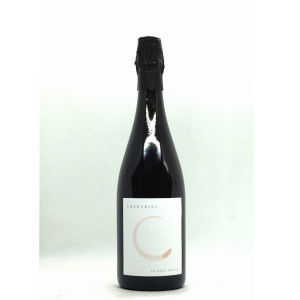
Levis by Cherubini is a sparkling wine rosè from pure red grapes. Refinement of at least 48 months is followed by disgorging and for refilling I use the same wine. It has a soft pink color, an excellent evolutionary and tertiary note on the nose. On the palate, freshness and balance embrace very well with minerality.
Grapes: Local red grapes.
Alcohol content: 12%.
Aging: At least 48 months on the lees.
Contains sulfites

Cinquecampi Rosso is a sparkling red wine obtained with the method of refermentation in the bottle from a blend of Lambrusco Grasparossa, Malbo Gentile, Marzemino. On the nose hints of red fruits, berries, musk, and undergrowth. In the mouth it has a marked acidity, quite tannic and structured.
Region: Emilia Romagna.
Grapes: Lambrusco grasparossa, malbo gentile and marzemino
Alcohol content: 13%.
Aging: refermentation in the bottle.
Contains sulfites
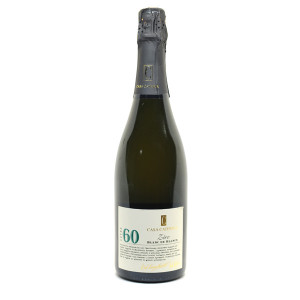
The Cuveè 60 is an intense and complex classic method sparkling wine based on chardonnay. 60 months aging on the lees. It has a golden yellow color with fine and persistent perlage. On the nose aromas of bread crust and evolved aromas of yellow paste fruit. On the palate the entrance is decided with slightly smoky notes that are accompanied by buttery, fat, full-bodied and very persistent hints.
Region: Lombardy.
Grapes: Chardonnay.
Alcohol content: 12.5%.
Aging: 60 months aging on the lees.
Contains sulfites